The Hard Tackle takes a closer look at Group I of the FIFA World Cup 2026, where France, Senegal, Iraq, and Norway collide.
The 2026 FIFA World Cup arrives with familiar fanfare and fresh storylines: expanded hosts, new stadia and an even wider tapestry of nations chasing global glory. For the heavyweights, it is an interrogation of pedigree; for the unheralded, a chance to carve a lasting memory. Group stages will, as ever, separate the teams who merely turn up from those who arrive prepared, tactically, mentally, and in depth.
Group I promises a compelling blend of contrasts. At one end sit France, a nation still carrying the burden of elite expectation and major-tournament ambition. At the other end are spirited challengers like Senegal, who continue to marry physical authority with tactical maturity; Norway, whose attacking ceiling gives them genuine upset potential; and Iraq, the feel-good underdog that arrives with purpose and belief.
All four bring distinct identities. France’s control and cutting edge; Senegal’s compact structure and transition power; Norway’s direct attacking threat; and Iraq’s disciplined resilience. How each team arrived here tells as much about the likely group dynamics as the squads themselves.
France arrive as favourites on paper but under the familiar scrutiny that follows every top-tier international side. Senegal comes with experience and athletic conviction. Norway carry one of the group’s most dangerous individual forwards. Iraq supply unpredictability and spirit. Those narratives shape a group in which small margins could decide who advances. We now take a comprehensive look at each nation’s playing style, recent form, managerial imprint and the players likely to swing Group I’s outcomes.
FIFA World Cup 2026 Group I
- France
- Senegal
- Iraq
- Norway
Group I Fixtures
- Match 17: France vs Senegal — June 16, MetLife Stadium, East Rutherford
- Match 18: Norway vs Iraq — June 16, Gillette Stadium, Foxborough
- Match 41: Norway vs Senegal — June 22, MetLife Stadium, East Rutherford
- Match 42: France vs Iraq — June 22, Lincoln Financial Field, Philadelphia
- Match 61: Norway vs France — June 26, Gillette Stadium, Foxborough
- Match 62: Senegal vs Iraq — June 26, BMO Field, Toronto
France
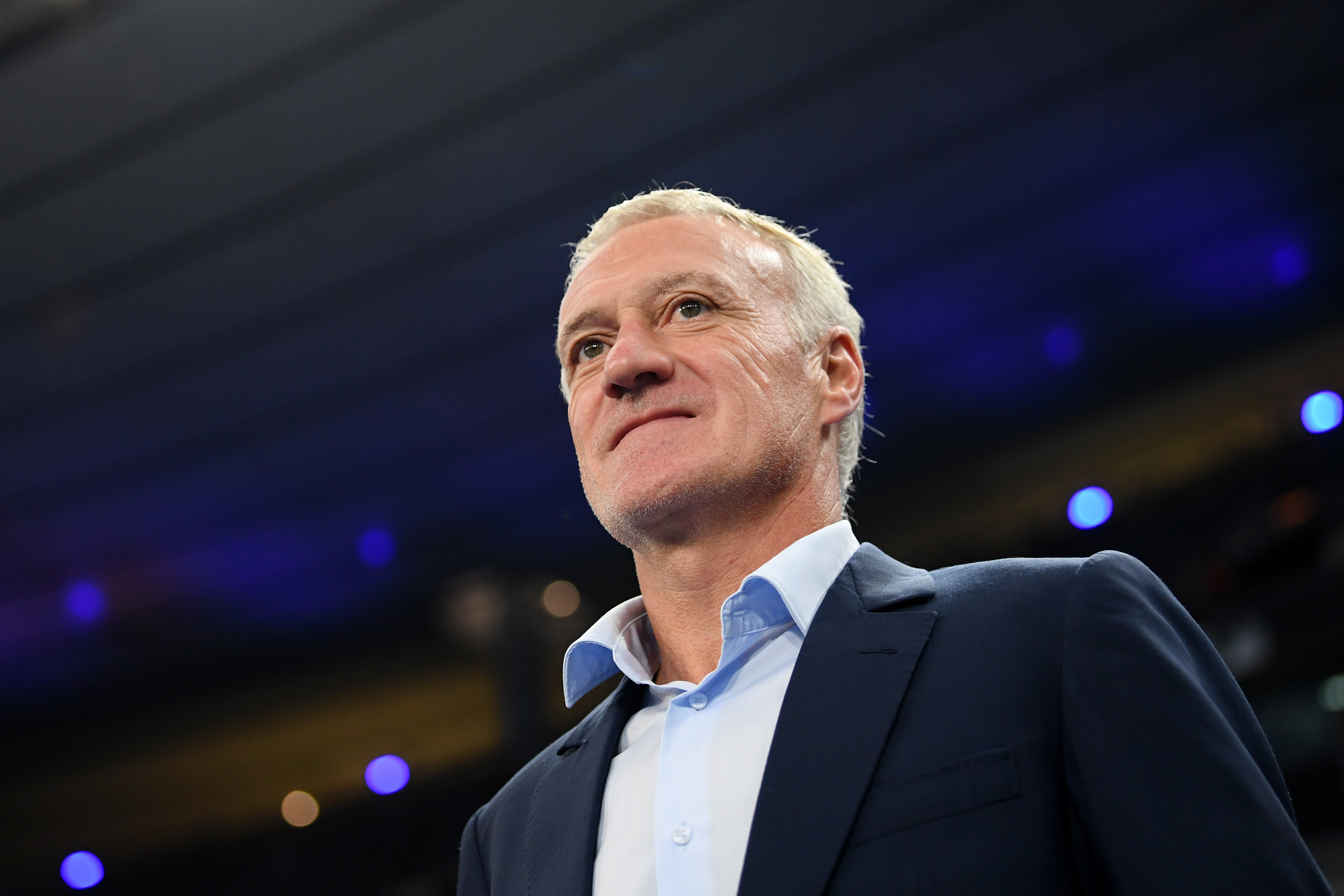
Automatic qualification among the world’s elite comes with both privilege and pressure. France, under Didier Deschamps, arrive with the kind of squad depth, tactical understanding and tournament pedigree that makes them a natural benchmark for the rest of Group I.
Deschamps’s management style leans on structure, compactness when out of possession and ruthless efficiency when the game opens up, attributes that suit tournament football where cautious control often trumps expansive chaos. His record in knockout competitions underlines his know-how for navigating pressure.
What to expect?
France’s pre-tournament form has shown a mixture of control and selective aggression, with a strong tendency to let elite individual quality decide key moments. They generate chances without needing to overwhelm opponents and remain dangerous in transitions when the opposition commits numbers forward.
Defensive metrics have generally remained strong, with the backline offering a reliable base behind a midfield built to manage tempo. Against compact teams, France can at times look patient rather than explosive. But that is often a feature, not a flaw, in tournament football.
The real expectation for France is not simply that they win matches; it is that they do so without expending excess energy. In a short group-stage format, efficiency matters as much as dominance.
Managerial imprint
Didier Deschamps has emphasised discipline and clarity throughout his tenure. He selects a spine that can withstand tournament pressure, with a stable goalkeeper, central defenders who read danger well, and attackers who can finish under stress.
His experience gives France a valuable edge in game management. If the tournament becomes a test of control rather than open exchanges, Les Bleus have the tools to dictate the terms without overextending themselves.
Key players and why they matter
Kylian Mbappe: A creative and devastating match-winner capable of turning a tight game with a single burst. His pace and directness remain France’s sharpest weapon in attack.
Aurelien Tchouameni: The midfield anchor whose positioning and ball-winning help his team maintain balance between control and protection.
Can France progress from the group stage?
As favourites on paper, they have both the pedigree and the tactical blueprint to top the group. France should progress comfortably if they maintain defensive compactness without sacrificing their attacking edge.
Senegal
Senegal’s road to the World Cup has been defined by consistency, organisation and a competitive edge that makes them one of the most dependable African sides on the international stage. Their qualification reflected a team that knows how to stay balanced under pressure and win matches through collective structure rather than individual improvisation.
What to expect?
Senegal’s defensive metrics are usually built on compact spacing and strong recovery work, while their attacking approach relies on athleticism, wide progression and quick exploitation of transition moments. They rarely need to dominate possession to feel dangerous.
Their best work often comes when they can absorb pressure and strike with purpose. In a group with France and Norway, that ability to stay disciplined while remaining threatening on the break could prove decisive.
Senegal also arrive with tournament experience that matters. Their recent continental and global performances have shown they can manage pressure and that emotional resilience can be the difference in tight group-stage matches.
Managerial imprint
Senegal’s tactical identity is rooted in organisation and discipline. Pape Thiaw tends to use a compact defensive block and then release pace and power once possession is regained. That approach can frustrate more possession-heavy sides and create danger from relatively few attacks.
Their challenge is to stay patient without becoming passive. Against France, in particular, Senegal will need to remain compact for long stretches while still believing they can punish errors in the spaces that eventually appear.
Key players and why they matter
Sadio Mane: Still a decisive attacking reference, whether as a finisher, creator or outlet in transition. His experience in major matches remains invaluable.
Kalidou Koulibaly: The defensive leader whose organisation, aerial strength and reading of danger underpin Senegal’s structure.
Can Senegal progress from the group stage?
Yes. Senegal are the strongest challenger to France for a top-two place and have the resilience to make life difficult for every opponent in the section.
Iraq
Iraq’s qualification is one of the more uplifting stories of the tournament. Reaching the World Cup is a major milestone for a nation with strong footballing heritage, and simply making the finals gives them a platform to test themselves against higher-ranked opposition.
What to expect?
Iraq are likely to take a pragmatic approach built on compact defending, controlled risk and opportunistic attacking moments. They may spend long spells without the ball, so their organisation in both boxes will matter far more than their share of possession.
Their best chance of making an impact is through structure and patience. If Graham Arnold’s men can keep matches close into the final phase, they may create the sort of tension that unsettles more fancied sides. Set pieces and direct play could be important weapons. For an underdog in a group like this, one moment of quality or one stubborn defensive stand can alter the narrative of the entire section.
Managerial imprint
Under Graham Arnold, Iraq are expected to be organised first and expressive second. That usually translates into a compact shape, pragmatic spacing and a willingness to accept that not every match can be played on the front foot. It is a sensible formula for a side entering only its second World Cup.
The real test for Iraq will be converting structure into resistance. If they can frustrate stronger opponents early, they may be able to turn games into uncomfortable, nervy contests.
Key players and why they matter
Aymen Hussein: Iraq’s most important attacking reference, given his ability to occupy centre-backs and convert limited chances.
Ibrahim Bayesh: A useful transitional and creative presence who can help Iraq move into dangerous areas more quickly.
Can Iraq progress from the group stage?
It is a difficult ask, but not impossible for them to make the group tighter than expected. A draw or surprise result could keep them alive in the third-place race.
Norway
Norway are one of the most intriguing sides in the group because they combine genuine attacking firepower with the sense that their collective maturity is still developing. They are dangerous enough to hurt anyone, but also vulnerable if they allow games to become too open.
What to expect?
Norway’s greatest strength is their directness. They can move the ball into dangerous areas quickly, use wide service effectively and turn half-chances into real pressure through elite finishing and physical presence.
That same attacking intent can create defensive exposure, especially against sides that move well in transition. Their group-stage success may depend on whether they can balance ambition with enough control to avoid being pulled into end-to-end chaos.
Against Iraq, they should expect to take the initiative. Against France and Senegal, they may need to be more measured to avoid giving up space behind their advanced positions.
Managerial imprint
Norway’s approach is likely to remain assertive, vertical and heavily shaped by their attacking personnel. The challenge is not whether they can create chances; it is whether they can sustain enough control to turn those chances into points.
If Stale Solbakken’s men manage the tempo well, they can absolutely challenge for second place. If not, they remain capable of beating anyone on a good day while also leaving themselves vulnerable.
Key players and why they matter
Erling Haaland: Norway’s focal point and most decisive weapon, with the power, movement and finishing to tilt any match.
Martin Odegaard: The creative organiser whose vision and passing give Norway structure in the final third.
Can Norway progress from the group stage?
Yes. Norway are a serious contender for second and have the attacking quality to push Senegal all the way in the fight for qualification.
Final thoughts
After weighing styles, data and personnel, our projection for Group I is:
- France remain the clear favourites to top Group I. The quality, depth and tournament know-how within their squad should be enough to see them through.
- Senegal’s discipline, athleticism and big-match temperament place them second in the pecking order. They are the most likely side to challenge France for the top spot.
- Norway look well placed to finish third, but their attacking ceiling means they cannot be ruled out of the qualification race entirely.
- Iraq are the spirited outsider, unlikely to progress but fully capable of making the group awkward for all three opponents.