While the world will watch the forwards at the FIFA World Cup 2026, these five defenders could be the true architects of glory.
The 2026 FIFA World Cup begins in a matter of days, and the planet’s biggest footballing nations are about to collide for the game’s most coveted prize. Expect fevered build-up, tactical mind games and the familiar spotlight on dazzling forwards and match-winning midfielders.
Yet history and logic both point to the same truth: tournaments are won from the back. A defence that reads the game well, wins its duels and builds play calmly from deep will more often outlast the flashier individual brilliance up front.
With that in mind, The Hard Tackle takes a closer look at five defenders whose form, profiles and numbers suggest they could be decisive as their countries chase FIFA World Cup 2026 glory.
Willian Pacho
Willian Pacho’s rise has been rapid and, for Ecuador, perfectly timed. The 24-year-old centre-back arrives off the back of a UEFA Champions League-winning campaign with Paris Saint-Germain and has quickly established himself as a modern, all-round defender.
Physically imposing and comfortable in a back four or a back three, Pacho couples a strong aerial presence with surprisingly tidy passing for his size. His passing accuracy and progressive carries feature prominently in the underlying data, while his interception and tackle rates show a defender who reads danger early, not one who simply reacts.
For Ecuador, Pacho’s value is two-fold. Defensively, he stabilises a backline that often faces faster, more technically gifted attacking units. Offensively, he helps Ecuador transition quickly from turnovers into meaningful possession-based moves, an asset for a side that will likely set up to frustrate superior opposition and hit on the break.
In short, if the PSG defender brings the blend of muscle and technique that allows South American sides to mix pragmatic defending with controlled build-up; expect him to be the nucleus of Ecuador’s bid to reach the knockout rounds of the 2026 FIFA World Cup.
Gabriel
Brazil’s roster is always judged by its forwards, but Gabriel stands out as a player capable of determining how far this team can go. The Arsenal centre-back produced an exceptional club season overall; his performances across the Premier League and the Champions League underlined his readiness for tournament football.
Technically assured with a keen sense for timing, the 28-year-old is comfortable defending high lines yet also reads aerial threats with authority. His duel-winning numbers and progressive passing statistics make him more than a traditional stopper; he is a defender who actively contributes to sustained possession and the initiation of attacks.
Under Carlo Ancelotti, Brazil are expected to be tactically flexible, but their defensive base must be reliable. Gabriel’s best attribute is consistency: he rarely offers a false step and, when pressed, tends to make the right play rather than the spectacular one.
That temperament will be necessary in knockout matches of the 2026 FIFA World Cup, where a single moment of indecision can be fatal. Pair him with an athletic partner capable of covering ground, and Brazil possesses a central defensive pair that can both shut down opponents and help launch the flamboyance the Selecao are known for.
Ruben Dias
Dias had a mixed season by his lofty standards at Manchester City, but a single club campaign is not the sum of a player’s worth. For Portugal, he remains an indispensable asset. Where the 29-year-old excels is in positioning, anticipation and aerial command, qualities that do not always show up in flashy highlights but do in clean sheets and controlled matches.
His ability to shepherd a defensive line, cut out through balls and dominate set-piece situations remains elite. Portugal’s ambitions, especially if Cristiano Ronaldo enjoys one last deep run, rest on defensive clarity as much as attacking creativity.
The Portuguese international provides that clarity. Even when a centre-back’s numbers dip at club level, the international context can rejuvenate strengths that matter in tournaments: leadership, organisation and situational intelligence. Expect Dias to marshal the backline, win key aerial duels and use his reading of opponents to blunt runs in behind. If Portugal are to navigate tight knockout ties at the 2026 FIFA World Cup, Dias will be central to that success.
Pau Cubarsi
Spain’s selection of Pau Cubarsi is as much a statement about the future as it is about the present. The teenager has already impressed for Barcelona with a maturity that belies his age. Cubarsi is a textbook modern centre-back for a nation that prizes ball circulation: comfortable under pressure, precise with short and progressive passes, and willing to step into midfield pockets to create numerical superiority.
Those tendencies are reflected in his passing volumes and pass-completion rates in tight spaces, alongside promising defensive metrics for interceptions and blocks. Spain, under Luis de la Fuente, have options to shape matches through possession; Cubarsi’s presence allows the side to maintain that identity without sacrificing defensive solidity.
He is not merely a technician; his work rate and temperament in duels reveal a player with a lion’s heart, willing to take responsibility in high-pressure moments. For Spain, giving a young defender such roles can bring unpredictability and composure at once: opponents who press aggressively may find themselves outmuscled in physical contests and outfoxed in positional play.
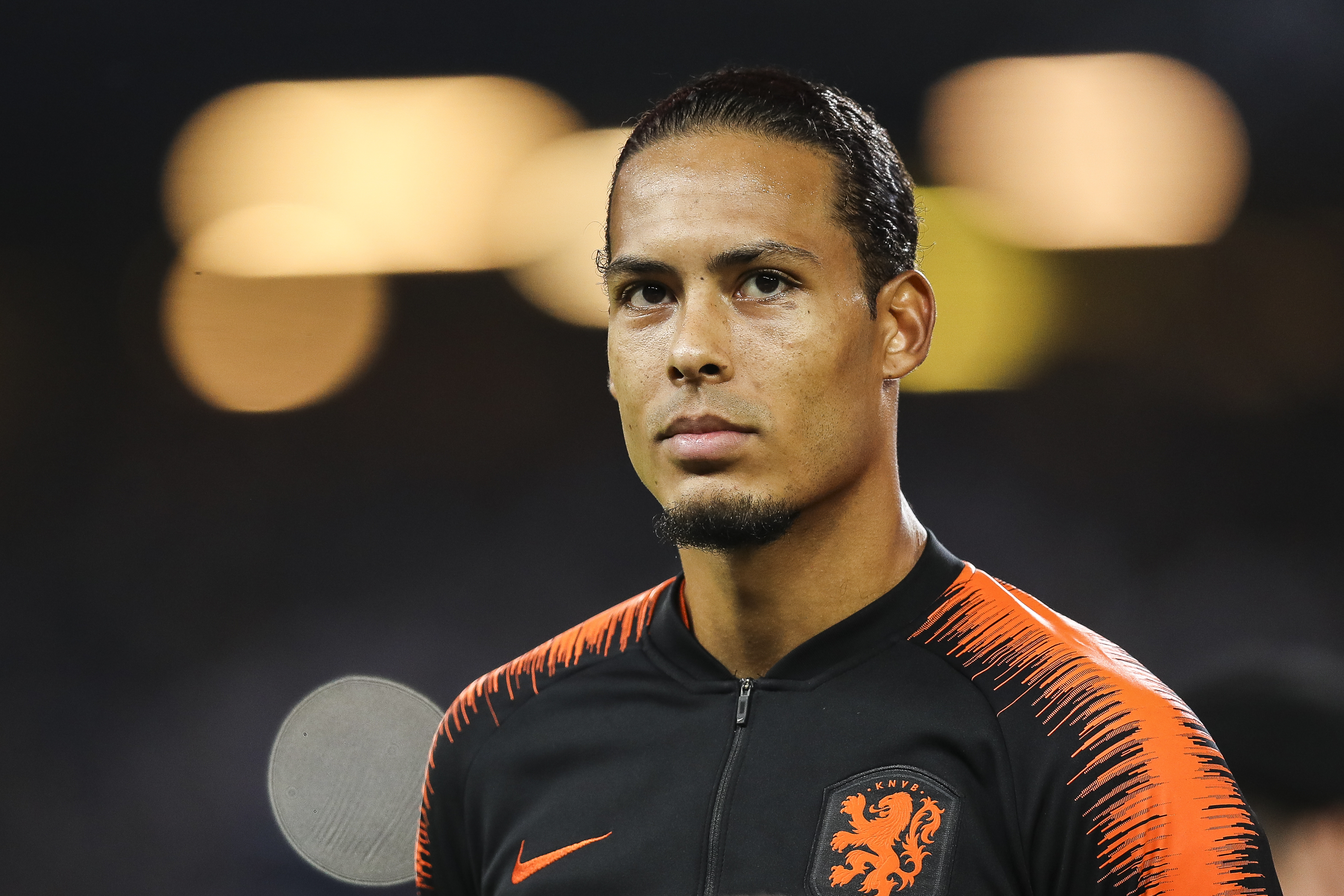
Virgil van Dijk
Virgil van Dijk occupies a different narrative: a world-class defender entering the latter stages of a peerless career. Age has begun to nibble at his club form and Liverpool’s season lacked its usual smoothness, yet the veteran defender’s cerebral qualities, leadership, aerial dominance and an almost unrivalled ability to marshal a defensive unit, remain potent.
Tournament football often rewards experience; when games are tight, the psychological steadiness and organisational nous a captain like van Dijk brings can be decisive. Physically he may not be at his absolute peak, but his reading of the game compensates. He times challenges, positions himself to cut off angles, and commands respect aerially, which is crucial in set-piece-heavy World Cup matches.
For the Netherlands, the skipper’s role will likely combine on-field defensive chores with off-field stewardship; his presence reassures teammates and helps younger defenders perform beyond their individual ceilings. Should van Dijk find those veteran gears and combine them with the Netherlands’ attacking talent, Oranje could very well extend their run deep into the tournament.
Final thoughts
The 2026 FIFA World Cup will deliver drama, and much of the spotlight will, inevitably, fall on those who score the goals. But tournaments are often decided by moments of defensive excellence, a perfectly timed tackle, a headed clearance, or a calm pass that starts the move that becomes a match-winning goal.
Willian Pacho, Gabriel, Ruben Dias, Pau Cubarsi, and Virgil van Dijk each bring distinct blends of physicality, technique and leadership that could lift their nations when the pressure is highest. Keep an eye on them: in a competition where margins are wafer-thin, the defensive big game moments often determine who holds the trophy aloft.