
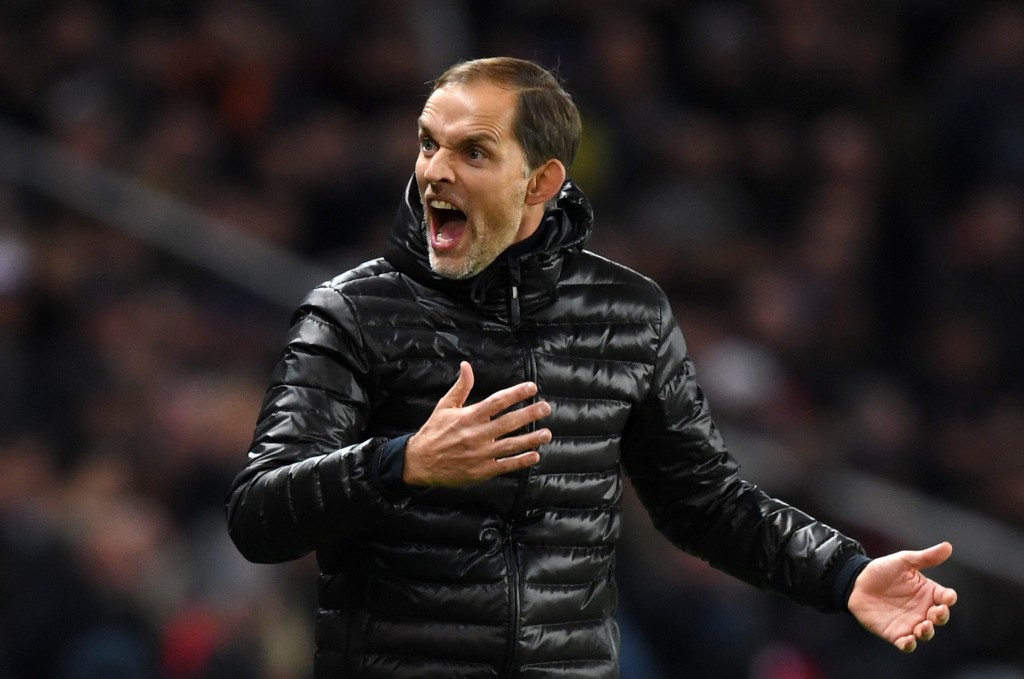
Welcome to Team Spotlight, and today, we analyse England’s style, form, key players, and predictions as Thomas Tuchel finalises his preparations for the 2026 FIFA World Cup.
England; a nation perpetually burdened by expectation, its football history shaped by one glorious summer in 1966 and decades of almosts, what-ifs, and near-misses. From the emotional highs of UEFA Euro 2020 and Euro 2024 to the recurring frustration of falling just short on the biggest stage, the Three Lions remain one of international football’s great enigmas. They possess world-class talent, a deep squad, and a footballing infrastructure envied across Europe, yet the final step has remained elusive.
That tension defines England’s World Cup story. They are perennial contenders, always close enough to dream, but rarely convincing enough to repeat the heroics of 1966. Their last two World Cup campaigns brought progress and disappointment in equal measure. It was a quarter-final exit in 2022 after a defeat to France, and another tournament of promise that ended before the ultimate prize came into view. For England supporters, the pattern is familiar. Hope arrives early, optimism grows loudly, and then reality tends to intervene.
Now, with the 2026 FIFA World Cup in Canada, Mexico, and the United States approaching, they find themselves at yet another crossroads. This time, however, the story carries a different feel. With Thomas Tuchel installed as head coach, the FA has turned to a coach of proven elite pedigree in the hope that structure, clarity, and knockout-tournament experience can finally turn England from hopefuls into champions. The question is straightforward. Can Tuchel do what so many before him could not?
Road to FIFA World Cup 2026: Efficient, but still searching for rhythm
England’s route to the 2026 FIFA World Cup was not dramatic. However, it was not entirely convincing either. In keeping with their status, they navigated qualification successfully, yet there were still patches that suggested this team remains a work in progress rather than a finished product.
They topped their qualifying group with 24 points from 8 matches, recording eight wins and keeping a clean sheet in each game. Their goal difference of +22 reflected their superiority over most of their opposition, but the numbers alone do not tell the whole story. England often controlled matches without truly dominating their opponents, and at times their attacking play lacked the fluency expected of a side with such depth in the final third.
The campaign under Tuchel was built around stability. The Three Lions were were compact out of possession, disciplined in transition, and difficult to break down, thus leading to a clean sheet in each outing. What they did not always provide was excitement. Too many games drifted into the familiar pattern of territorial control without sufficient incision, leaving questions about whether the side can consistently break down elite opponents.
Tuchel’s arrival has undeniably sharpened the team’s tactical edge. England look more structured than they did under previous regimes, and there is a clearer sense of collective responsibility. But at the World Cup level, efficiency is only part of the equation. Against the best sides in the world, England will need more than organisation. They will need conviction, rhythm, and game-breaking quality.
The Maestro Arrives: Tuchel and England’s search for control
Thomas Tuchel’s appointment was a statement of intent. England did not hire him for sentiment or familiarity; they hired him to bring clarity, standards, and the kind of tactical sophistication that tends to matter in tournament football.
The former Chelsea manager’s reputation was built on elite club success, most notably in the UEFA Champions League, where his teams have shown the ability to adapt under pressure and win the decisive moments. That profile makes him a natural fit for international football, where margin management and knockout intelligence often decide everything.
His England team is likely to be pragmatic rather than romantic. Expect a system built on defensive structure, careful spacing, and tactical flexibility rather than open-ended attacking ambition. Tuchel values balance above chaos, and England’s best players are increasingly accustomed to being part of systems that demand discipline as well as flair.
The manager’s challenge is not simply to organise England. It is to unlock them. He inherits a squad filled with technically-gifted players, but one that has too often struggled to translate individual brilliance into coherent, repeatable attacking patterns. Tuchel’s task is to ensure England do not merely look strong on paper. They must also look decisive when it matters most.
There is confidence, too, in his tournament pedigree. Tuchel has repeatedly demonstrated that he can prepare teams for high-pressure knockout matches, and that is precisely the skill England have lacked at key moments in the past. For a nation that has repeatedly stumbled when the pressure rises, that may be the most important reason for optimism.
The Squad: Experience, power, and elite depth
England’s 26-man squad is stacked with quality, blending proven stars with emerging talent across every area of the pitch. The depth is striking, though it also creates selection debates in almost every position.
Goalkeepers: Dean Henderson (Crystal Palace), Jordan Pickford (Everton), James Trafford (Manchester City)
Defenders: Dan Burn (Newcastle United), Marc Guehi (Manchester City), Reece James (Chelsea), Ezri Konsa (Aston Villa), Valentino Livramento (Newcastle United), Nico O’Reilly (Manchester City), Jarell Quansah (Bayer Leverkusen), Djed Spence (Tottenham Hotspur), John Stones (Manchester City)
Midfielders: Elliot Anderson (Nottingham Forest), Jude Bellingham (Real Madrid), Eberechi Eze (Arsenal), Jordan Henderson (Brentford), Kobbie Mainoo (Manchester United), Declan Rice (Arsenal), Morgan Rogers (Aston Villa)
Forwards: Anthony Gordon (Barcelona), Harry Kane (Bayern Munich), Noni Madueke (Arsenal), Marcus Rashford (Barcelona, loan from Manchester United), Bukayo Saka (Arsenal), Ivan Toney (Al-Ahli), Ollie Watkins (Aston Villa)
This is a squad with no shortage of quality, but it does raise familiar questions. England’s midfield is technically gifted but can become too cautious. Their attacking options are dynamic, but selection balance will be crucial. The offensive unit also lacks unpredictability off the bench. Their defensive core is experienced, yet some of the key figures are entering the latter stages of their international careers.
The good news for Tuchel is that he has options. The difficult part is choosing the right combination. England’s strength is no longer simply in their best XI; it is in the range of ways they can shape themselves depending on the opponent. That flexibility may become one of their biggest assets in North America.
Key Players: The stars who could define England’s campaign
Harry Kane
Harry Kane remains England’s most important player. Even with the emergence of younger attacking stars, the captain’s influence is still immense. His goalscoring record, hold-up play, and ability to link attacks make him central to how England functions in the final third.
Kane’s experience in tournament football is invaluable, and he has long been one of the few England players capable of carrying the burden of expectation. At his best, he can drop deep, dictate tempo, and finish with ruthless efficiency. That versatility suits Thomas Tuchel’s structured system.
The concern, as ever, is whether England can provide him with sufficient support in advanced areas. The veteran striker is still elite, as he proved at the club level this season. However, he cannot be expected to solve every attacking problem alone. If England become too reliant on him, their ambitions could become predictable.
Jude Bellingham
Jude Bellingham is England’s most complete all-round midfielder and possibly their most influential player overall. His mix of athleticism, technical quality, composure, and personality gives England something few teams in the world possess.
At Real Madrid, Bellingham has shown that he can be both a creator and a finisher, a midfielder and a match-winner. His ability to arrive late in the box, carry the ball through pressure, and impose himself physically makes him an extraordinary tournament asset.
The challenge for England is to ensure his talent is channelled properly. Bellingham thrives when given freedom, but he must also operate within a structure that maximises the players around him. If Tuchel can strike that balance, England’s ceiling rises significantly. The toxicity behind the scenes at Real Madrid may also play a part in an underwhelming campaign for a player burdened mentally.
Bukayo Saka
Bukayo Saka continues to embody reliability, intelligence, and technical excellence. He is one of England’s most dependable performers and one of the most difficult players to contain when he is in rhythm.
Saka’s value goes beyond goals and assists. His work rate, decision-making, and calmness in possession make him a cornerstone of England’s attacking structure. He is the kind of player who helps a team function even when the game becomes tense and messy.
However, England have often leaned heavily on the 24-year-old in major tournaments. If he is isolated or overused, his influence can be blunted. Tuchel will need to ensure Saka has enough support and enough variation around him to remain effective deep into the competition.
Declan Rice
Declan Rice is the foundation of England’s midfield. His defensive awareness, passing range, and ability to screen transitions allow the more creative players ahead of him to operate with greater freedom.
The Arsenal midfield metronome has become one of the premier midfielders in world football, and his role for England will be central. He is not the headline-grabber in the same way as Bellingham or Kane, but his importance is just as great. Tournament football is often decided by control, and Rice provides exactly that.
His leadership qualities also matter. The 27-year-old brings calm in difficult moments, and that can be decisive in knockout matches where emotional control is as important as technical quality.
Notable Absentees: Tough decisions in a crowded squad
With England’s depth, omission debates are inevitable, and Thomas Tuchel’s selections have already sparked discussion.
Cole Palmer: His physical presence, finishing, chance creation and penalty-taking ability have made him a difficult player to leave out, but competition for forward places is fierce.
Phil Foden: Once regarded as an elite young talent in English football, his lack of consistency and inability to find a specialist role have cost him.
Harry Maguire: A major defensive powerhouse with bags of experience in major tournaments, his omission has sparked the most furious debates. This one was a real head scratcher.
Other notable absentees include Lewis Hall, Trent Alexander-Arnold, Morgan Gibbs-White, and Jarrod Bowen. These omissions underline the scale of England’s depth, but they also reflect a larger truth. With so many players of similar quality, Tuchel’s greatest challenge is not finding talent. It is selecting the right profile for the right moment.
Fixtures: England’s Group Stage path
England have been drawn into a group that offers no easy matches, but one they should still expect to navigate successfully.
England’s World Cup 2026 Schedule So Far:
June 17, 2026: England vs Croatia at AT&T Stadium, Arlington
June 23, 2026: England vs Ghana at Gillette Stadium, Boston
June 27, 2026: Panama vs England at MetLife Stadium, New Jersey/New York
Croatia will be organised and difficult to break down, Ghana bring intensity and movement, and Panama will embody the underdog spirit that can often haunt the biggest teams. England are favoured to progress, but the group does contain enough variety to test Thomas Tuchel’s tactical adaptability.
A strong start will matter. In a World Cup, momentum can shape everything, and the Three Lions have often been at their best when they remove doubt early. If they drop points or look sluggish in the first two games, pressure will quickly build.
Prediction: Another deep run, but the final question remains
England arrive at the 2026 FIFA World Cup with one of the strongest squads in the tournament and a manager whose pedigree suggests they should be taken seriously. Their ceiling is high, their balance is improving, and their core players are entering their prime.
But the same concerns remain. The Three Lions have been here before, armed with talent and expectation, only to be undone by caution, tension, or a lack of cutting edge when the games become unforgiving. Thomas Tuchel gives them structure, and that alone may take them further than previous regimes. Yet World Cup glory usually demands more than structure alone.
Against elite opposition, England will be tested in ways that expose their margins. Their defence should hold up well, their midfield should compete strongly, and their attacking talent is undeniable. But whether they can sustain that level through the full demands of a World Cup remains uncertain.
A quarter-final or semi-final run feels realistic. Winning it all would require England to convert potential into authority, and authority into ruthlessness. That has historically been the hardest step of all.
Tuchel and his charges will travel with hope, belief, and genuine quality. They may even look like genuine contenders. But until they prove they can win the biggest games when everything is on the line, the burden of history will remain.
The Three Lions have waited nearly six decades for another World Cup title. In 2026, Tuchel’s men may come close again. Whether they finally go all the way is still the question that defines them.