
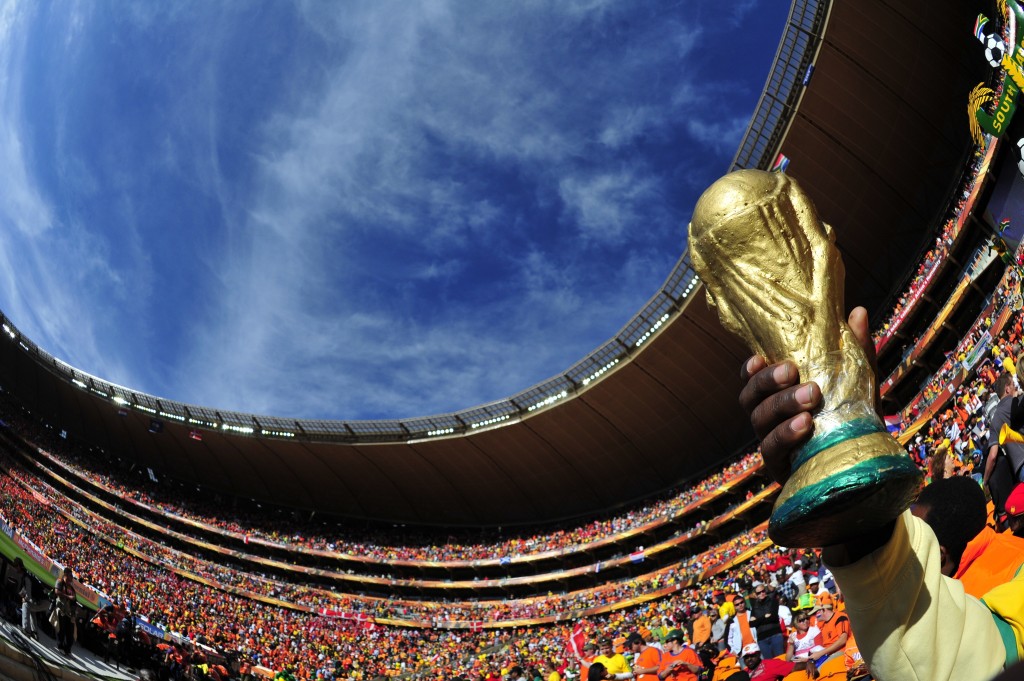
Eight hearts are scattered around in four FIFA World Cup 2026 quarter-final ties, where the grit, poise and discipline decide who can dream of a semi-final berth.
The quarter-finals of the 2026 FIFA World Cup arrive like the crescendo of a long symphony. The preliminaries have set the themes, the round of 16 provided the dramatic turns, and now just eight nations remain to test the mettle required for genuine glory.
These are not merely matches; they are narrative turning points where reputations are burnished, histories are rewritten, and unlikely heroes step into the light. Over the next few days, we will watch four fixtures that promise to blend tactical chess, individual brilliance and the kind of raw emotion that only knockout football delivers.
There is an unmistakable electricity in the air. For some teams, reaching the quarters represents the summit of years of careful rebuilding; for others, it is a doorway back into expectation and pressure. The quarterfinals demand more than form alone; they demand character, adaptability and conviction under pressure.
Fans will fill stadia and living rooms with the same question; which nation can take the smallest edge and turn it into a defining night? In that sense, these four ties feel less like isolated contests and more like chapters in one larger story, a compressed tournament of wills that will shape who is still breathing when the semi-final draw is made.
Against this charged backdrop, each fixture carries its own sub-plot; grudge rematches, emerging underdogs, storied nations rediscovering themselves and individuals on the cusp of legend. The next chapters will test not only skill but temperament, and promise to be remembered long after the final whistle blows.
Atlas Meets Bleu: The return match
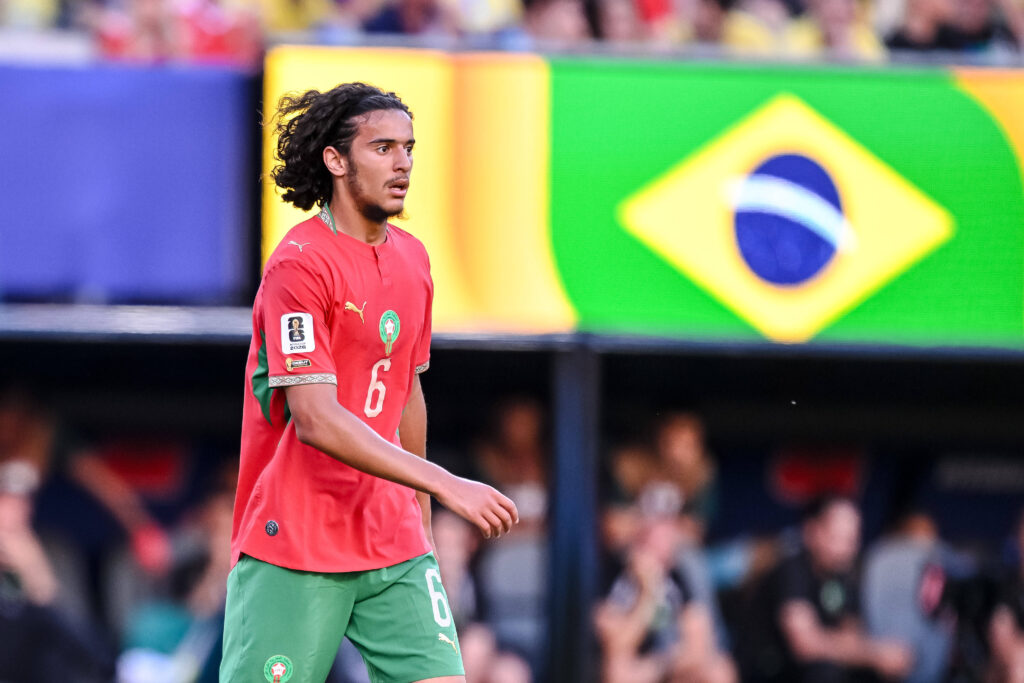
The meeting between Morocco and France reads like a study in contrasts and continuity. France arrive as one of the tournament favourites, a side overflowing with forward depth and tournament experience, while Morocco carry the confident calm of a nation that has repeatedly turned expectations on their head in recent years.
Dismissing Morocco as mere underdogs would be naive. Since their breakthrough run to the semi-finals, they have not been content with a one-off story. Instead, they have consolidated structure, discipline and a clear identity that makes them dangerous in all phases of play.
Morocco’s strengths are obvious in the detail: a compact defensive shape that frustrates opponents, wing-backs who can shuttle the flank with both defensive nous and attacking thrust, and creative outlets who punish the smallest defensive lapses. Their knockout victories this tournament, and the composed manner of some of those wins, speak to a team that has learned the art of closing out games and seizing forward threats when they emerge.

For France, the win over Paraguay was comfortable but revealing, showing how even star-laden sides must labour for space. Their defence, overshadowed by headlines on the forwards, has been quietly robust and disciplined.
This is Morocco’s severest test at this World Cup stage: a chance to prove that their previous adventure was not a flash in the pan but the beginning of sustained contention. For France, it is the opposite: an expectation to impose control, to turn potential into progression without the drama of penalty shoot-outs or late equalisers.
The balance between France’s forward depth and Morocco’s collective resilience is what makes this quarterfinal absorbingly unpredictable. France are favourites on paper, but Morocco possess the temperament and tactical coherence to make this a very heavy lift for Les Bleus.
Can the silent Swiss stir up a sudden storm?
Switzerland have arrived at this phase with a subtle, stubborn logic to their campaign: a team that rarely excites with headline-grabbing flair, yet consistently delivers results through organisation, intelligent game-management and the occasional moment of technical class.
Under their current coaching guard, they have shed some of the caricature of the “old Switzerland”, the plucky nobody, and instead become a side that can dictate certain games by denying space, pressing at deliberate moments and transitioning crisply when opportunities open.
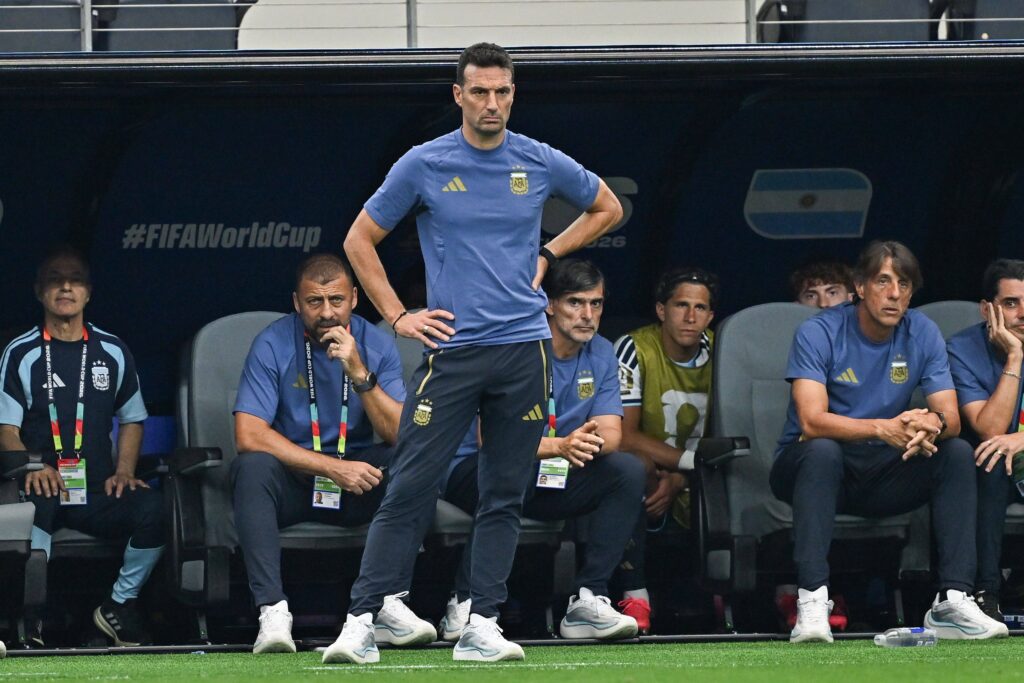
Their run through the knockouts has felt like steady ascension rather than a series of one-off shocks, which makes their encounter with Argentina feel like a genuine crossroads. The Argentina tie will test more than tactics; it will probe character.
Argentina arrive as reigning champions and bring the weight of expectation that accompanies that status. However, they have displayed signs of vulnerability at stages where opponents have chosen the right moments to press and congest the forward lanes.
Switzerland’s recent knockout performances showcase a team comfortable with both defending in numbers and launching disciplined counters; they are not bluffing when they say they can make life uncomfortable for top-class opponents.
This match therefore reads as a stylistic duel: Argentina’s instinctive forward quality and star power against Switzerland’s team-first cohesion and tactical patience. If Murat Yakin’s team are indeed “lurking”, this is the moment to reveal the depth of their progress and the seriousness of their claim. Argentina will have to earn everything, and Switzerland can fancy their chances of turning a solid tournament into a truly statement-making run.
A bridge too far for Belgium?
Belgium’s presence in the quarter-finals comes with an extra beat of drama. For a generation of players, they have carried the label of eternal nearly-men, and games where talent suggested far more than results delivered. This World Cup has repeatedly forced them to answer whether they can evolve into a team that matches the sum of its parts.
Early tournament inconsistencies and a dramatic comeback in the knockouts suggested a side still searching for rhythm, but the more recent, convincing moments have provided evidence that the Red Devils can combine individual quality with a clearer collective purpose when it matters.
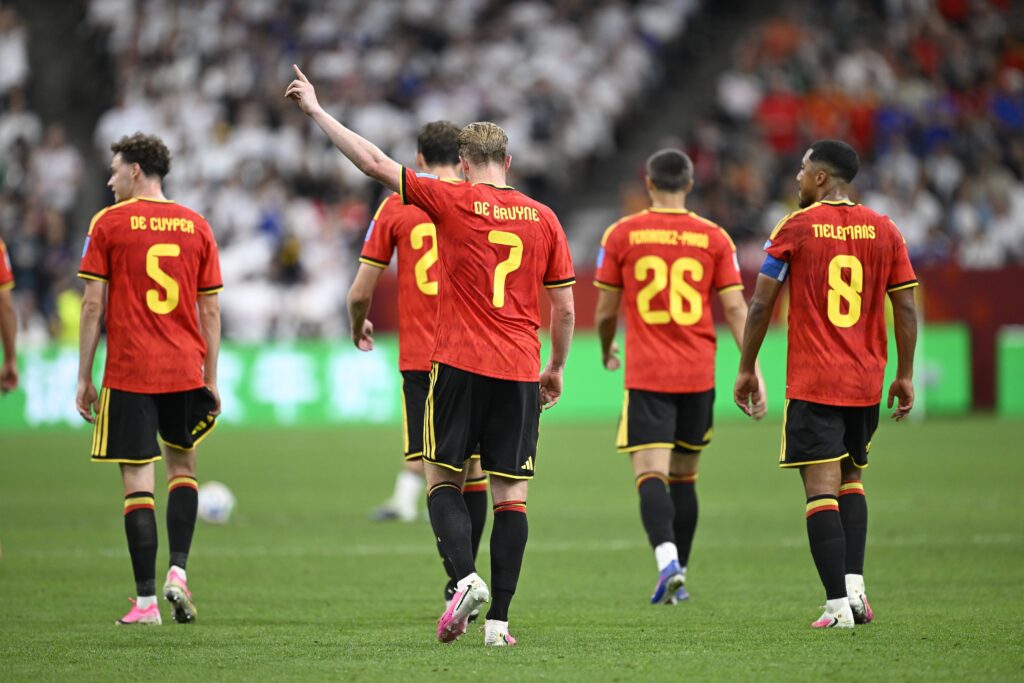
Spain offer a different test: defensive solidity without conceding, a possession philosophy that still struggles to unlock tight defences. The key question here is whether Spain can translate control and defensive excellence into incisive forward solutions against a Belgian side that will offer counter-threats and moments of individual daring. On paper, Spain carry the favourite’s burden; they have pedigree, a tactical system that has worked and a global reputation for controlling matches.
But for Belgium, this match has larger stakes. Progress would reframe a period of national introspection into a story of renewal, while defeat could feed the old familiar trope of missed potential. For Spain, reaching the semi-finals would feel like reclaiming a territory they have not frequently visited since their golden era; for Belgium, it would be a different equation altogether, with less history to reclaim, more a chance to redefine themselves on the biggest stage.
England meet Nordic momentum
England’s path to the quarter-finals has been stamped by resilience and adaptability, most notably in a testing last-16 clash played at altitude that demanded both physical and mental recalibration from the squad. Those conditions forced a narrative around attitude and teamwork, whether the side could blend structure with the attacking verve fans expect, and England emerged with a performance that suggested a team prepared to shoulder pressure when it matters.
Opposing them are Norway, the surprise package who dismantled a major contender and announced themselves as a side far more than just their star striker. That striker is the obvious focal point, a “nuclear” forward presence capable of changing a game in an instant. Still, Norway’s success has also been rooted in a disciplined, well-drilled collective that defends cohesively and strikes with ruthless, efficient transitions.
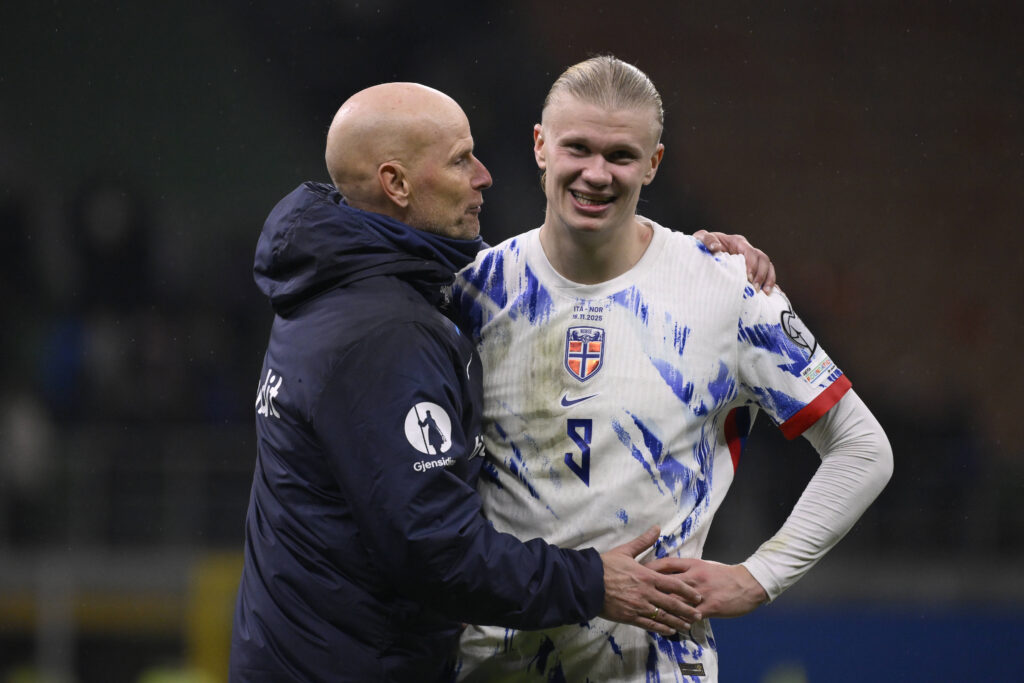
That balance between a superstar match-winner and a compact team shape gives the tie a compelling dynamic. Can England contain the striker without leaving the forward lanes that Stale Solbakken’s men will exploit, and can they impose their preferred rhythm in a game that may be decided on small margins?
For Thomas Tuchel’s men, a semi-final place would be confirmation that lessons from recent tournaments, about squad depth, tactical flexibility and defensive responsibility, have been learned.
For Norway, this is an invitation to complete a shock narrative and prove that their earlier demolition was no fluke. The contest is therefore equal parts tactical puzzle and psychological test: one team defending a campaign’s worth of expectation, the other carrying the momentum of a nation suddenly dared to dream.
Eight become four
Across these four ties, the practical prize is identical: a place in the World Cup semi-finals, but the symbolic stakes differ for each nation: confirmation of continental progression, vindication for a generation, or the chance to rewrite a national footballing story. Each match carries a micro-drama within a macro-tournament: the old meeting the new, the star against the system, and the underdog asking whether their ascent can survive the game’s harshest moments.
Whichever way these fixtures fall, the quarter-finals will offer football in a concentrated, unforgiving form: intricate tactics, decisive junctures and the emotional velocity that only knockout nights can produce. Expect tight margins, bold managerial gambles and, above all, theatre that refuses to let go of the imagination. We predict France, Argentina, England, and Spain to go through, with Norway having the greatest chance of springing a surprise.