
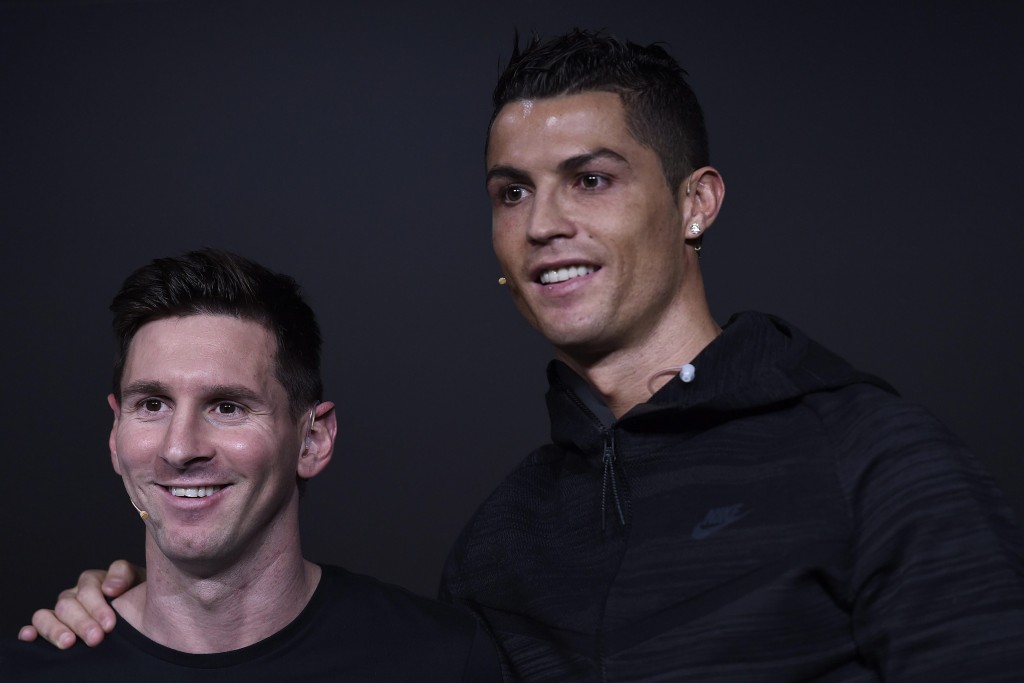
Lionel Messi, Kylian Mbappe, and Cristiano Ronaldo made their mark, as giants rose and stumbled at the World Cup, where surprises, pressure and pride reshaped the group stage.
The second round of group-stage matches is often where a World Cup begins to reveal its true personality. Opening fixtures can be shaped by nerves, caution and the strange weight of anticipation, but the second set of games tends to be more honest. This is the point where contenders begin to look like one, surprise packages start to feel real, and underperformers run out of excuses.
That is exactly what has happened here. Some of the game’s biggest names have stepped forward with the authority expected of them, while others have used this stage to remind the football world that reputation alone means very little once the tournament begins.
At the same time, there are teams whose stories have become increasingly troubling, sides who arrived with expectation and pedigree only to leave themselves exposed by poor results, tactical uncertainty or a plain lack of sharpness when it mattered most.
This phase of the competition has therefore been shaped by contrasts. There has been the enduring brilliance of familiar icons, the rise of fearless underdogs, and the growing anxiety around teams who should have offered far more. With the final round of group games still to come, the margins remain tight in places, but the headlines from matchday two already tell their own story.
Winners
Lionel Messi
For the second game running, Lionel Messi has made himself the centre of the World Cup conversation. Against Austria, the Argentine captain produced another performance of rare authority, one that seemed to carry both drama and composure in equal measure. Even the surprise of a missed penalty did little to disturb the wider picture. If anything, it gave his evening an extra layer, because the response was emphatic rather than uncertain.
Messi’s first goal, a superb finish that put Argentina ahead, restored order and belief in the moment. His second, struck late in the contest, was every bit as significant as it was beautiful. It sealed the result, secured Argentina’s passage into the round of 32, and may yet prove vital in the race to finish top of the group. With five goals in two matches, Messi is not merely enjoying a productive tournament; he is setting its attacking standard.
More than the numbers, though, it is the feeling around him that stands out. He is playing with clarity, rhythm and that familiar sense that the match can bend to his will at any given moment. Argentina do not simply have their talisman in form; they have a player shaping the emotional tone of their campaign.
Cristiano Ronaldo
If Messi raised the bar once again, then Cristiano Ronaldo knew a response was needed. The criticism after Portugal’s opening match against DR Congo had been loud enough, fuelled not just by the team’s failure to win but by Ronaldo’s own failure to score. In a tournament where leading forwards are judged brutally and instantly, silence in front of goal can feel heavier than ever.
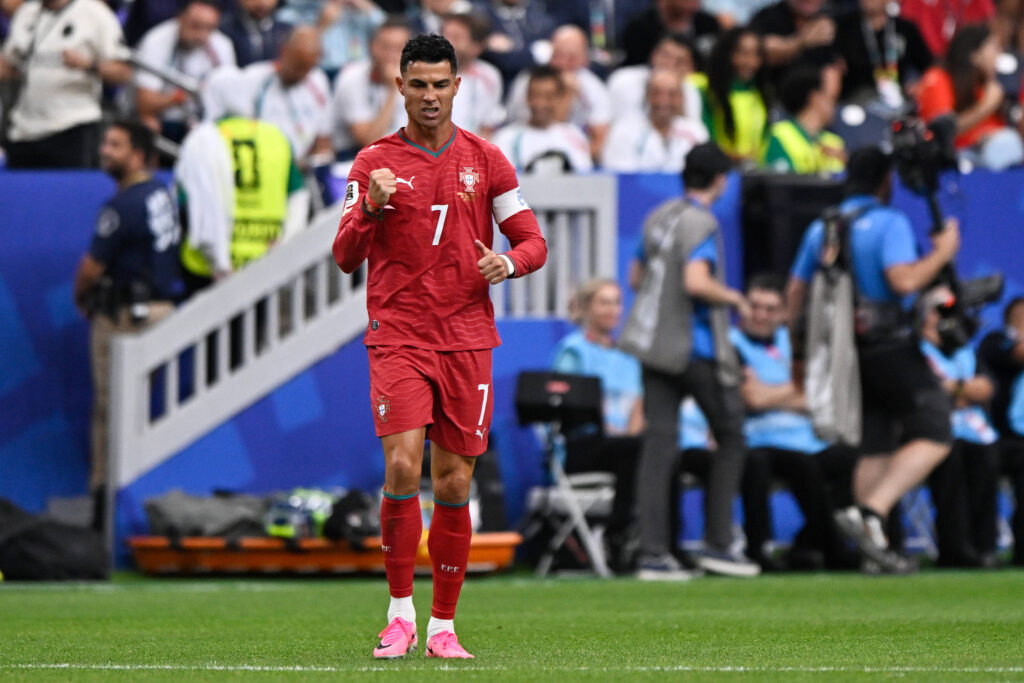
Against Uzbekistan, he answered as only elite forwards can. Ronaldo’s brace arrived in a commanding Portuguese victory and changed the mood around both player and team. Suddenly, the anxiety that had followed the opening game gave way to relief, and perhaps even renewed belief. Portugal now have lift-off in this tournament, and Ronaldo has his first major imprint on it.
What made the display important was not simply the finishing. It was the timing of it. With pressure building and rival stars already making decisive interventions, Ronaldo stepped into the spotlight rather than shrinking from it. These goals could yet prove to be the spark that sharpens both his own confidence and Portugal’s cutting edge in the matches ahead.
Ghana
Among the teams who have most improved their standing across the opening two games, Ghana deserve special mention. Their first match against Panama required patience and nerve, and the late winner in that contest suggested a side willing to dig deep even when fluidity was lacking. Yet it was the second outing, against England, that gave their campaign real substance.
Ghana’s defensive resilience against one of the tournament’s bigger sides was impressive not only because of the discipline shown, but because of the context surrounding it. This is a difficult group, one many would describe as a version of the so-called group of death, and Ghana were hardly viewed as one of the favourites to emerge from it. Yet heading into the final group match against Croatia, they have placed themselves in a position of genuine promise.
That makes their achievement all the more notable given the absences they are managing within the squad. Without some important names available, including Mohammed Kudus, Ghana have responded with organisation, spirit and a clear understanding of what this tournament demands. They may not have arrived with the loudest fanfare, but few teams have done more with what they have.
Cabo Verde
Every World Cup needs a team that captures the imagination by refusing to accept the script written for them. So far, Cabo Verde are doing exactly that. Their earlier defensive resistance against Spain had already earned admiration, but the draw against Marcelo Bielsa’s Uruguay pushed them even further into the spotlight.
This was not a backs-to-the-wall display in quite the same way. Instead, it was a more reactive and resilient performance, one in which Cabo Verde twice came from behind to rescue a point against elite opposition. That detail matters, because it suggests a team with more than just shape and discipline. It suggests character, adaptability and a belief that they belong on this stage.
Qualification is not secured, and caution is still required, but they have made themselves one of the most compelling stories of the group phase. They now look well placed to challenge for a place among the best third-placed teams, and even beyond that possibility, they have already left a mark on this tournament through courage and collective conviction.
France and Kylian Mbappe
France’s campaign has unfolded against an emotional backdrop after the passing of Didier Deschamps’s mother, a personal loss that naturally cast a shadow over the squad’s build-up. Yet if the French camp has been shaken emotionally, the team’s football has remained calm, authoritative and highly efficient. Wins over Senegal and Iraq have ensured that, even amid difficult circumstances, France have looked every inch one of the tournament’s most complete sides.
The victory over Iraq, played in disrupted conditions after severe thunderstorms halted proceedings, said a great deal about their maturity. France did not allow the interruptions or the environment to drag them into disorder. They stayed focused, controlled the contest and delivered the kind of professional display strong tournament teams so often produce.

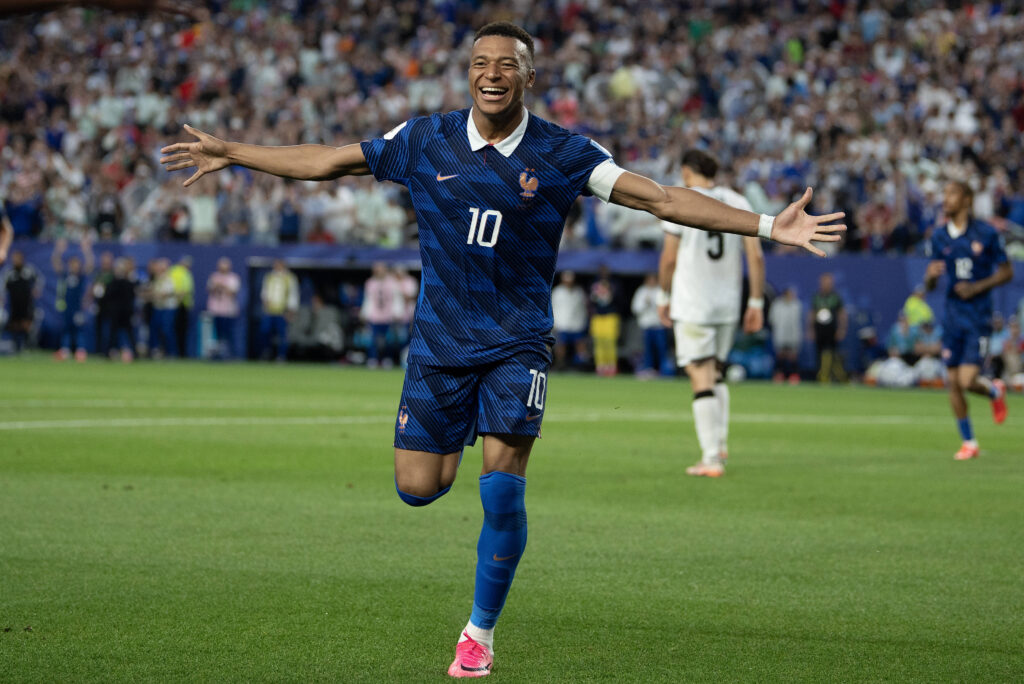
At the centre of that has been Kylian Mbappe. While Michael Olise, William Saliba, and Ousmane Dembele have all played meaningful roles, the skipper has again taken the headlines with another brace and a total of four goals in the competition so far.
After facing criticism before the World Cup, he has answered in the clearest possible fashion. France look dangerous because they are balanced, deep and composed, but they look like genuine favourites because Mbappe is operating with menace again.
Losers
Senegal
Senegal came into the tournament carrying the weight and promise of being viewed as one of Africa’s strongest sides. That is why their start has felt so disappointing. A heavy opening defeat to France was damaging enough, but the loss to Norway confirmed that this is no longer a case of one bad day. Senegal now find themselves in a deeply uncomfortable position, and the late Ismaila Sarr goal in that second defeat did little to soften the wider truth.
France and Norway have already seized control of the group, leaving Senegal to chase an uncertain route as a possible third-placed side. Even that route looks fragile at the moment. For a squad with this level of experience and quality, the campaign has lacked authority, composure and the competitive edge many expected them to bring.
Tunisia
Tunisia’s World Cup has carried the feel of a side collapsing under the combined pressure of poor results and internal instability. The opening defeat to Sweden was bad enough on its own, but the aftermath made things worse, with the federation choosing to sack the manager in the middle of the tournament. That kind of turbulence is rarely survivable on a stage this unforgiving.
The arrival of the experienced Herve Renard was meant to offer calm, yet even he could not prevent a heavy defeat to Japan in the second game. At that point, Tunisia’s hopes were effectively over. With no path into the next round, what remains is not anticipation but reflection, because this has been a disastrous campaign shaped as much by off-pitch disorder as by what has happened on it.
Ecuador
Ecuador are another reminder that qualifying pedigree and broad reputation mean very little once the tournament starts asking hard questions. Coming out of South America normally commands respect, and many expected Ecuador to show greater authority than they have done here after finishing second in the qualifiers. Instead, the campaign has drifted into disappointment.
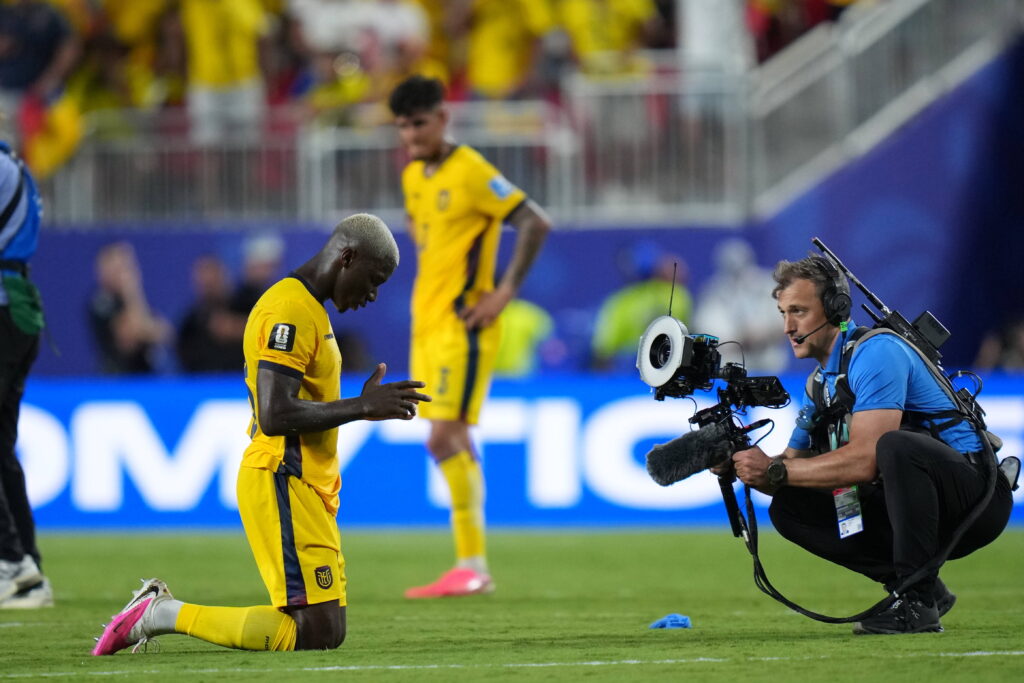
A late defeat to Ivory Coast was a setback, but the failure to beat Curacao in the second match may prove even more damaging. Faced with a determined and disciplined opponent, Ecuador lacked the imagination and incision needed to take control. They may still harbour slim hopes of advancing as a third-placed team, but with Germany to come, the outlook is bleak. For now, they sit among the clear underachievers of this phase.
Belgium
Belgium’s problems feel painfully familiar. On paper, they remain a side with enough quality and tournament know-how to command a group such as this one. On the pitch, however, the authority has been missing. A difficult outing against Egypt was followed by a frustrating draw with Iran, leaving Belgium third in the standings and facing unwanted pressure.
Their final game against New Zealand now carries the feel of a must-win occasion, and even victory may not completely remove the anxiety depending on other outcomes. That is the issue for Belgium: a team that was expected to impose itself is instead relying on late calculations and outside help. With the talent available to them, this has been a below-par campaign, and unless the final match changes the story, they will remain one of the tournament’s major disappointments.