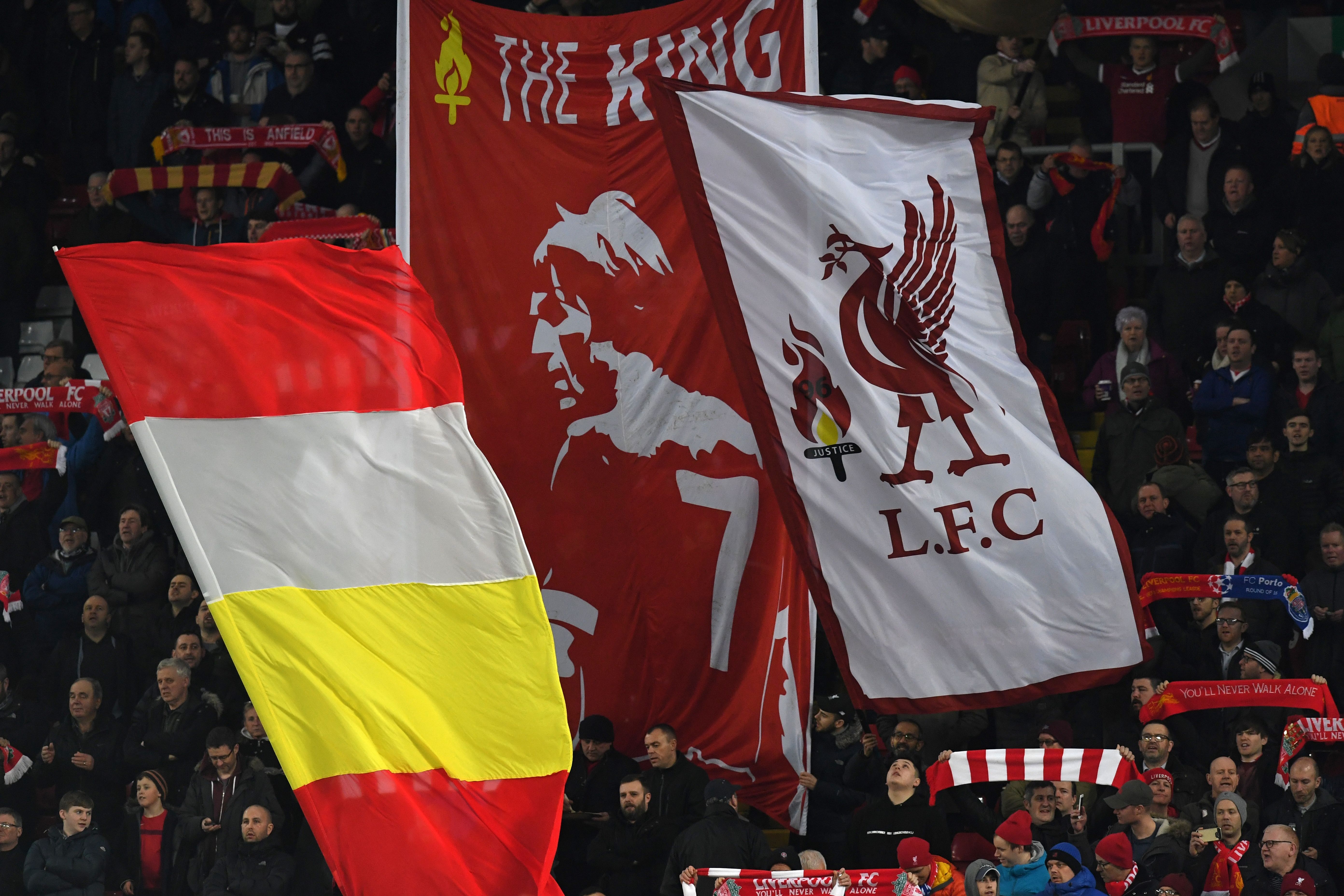
Liverpool have had a mediocre season by their standards so far, and the last few months have exposed some gaping holes in their squad.
Arne Slot may insist he is content with his options, but any honest audit of Liverpool’s season reveals a squad crying out for surgery in three critical areas: centre-back, defensive midfield, and the wide attacking positions. Unless those weaknesses are addressed decisively, this campaign risks drifting from disappointment into full-blown regression.
Centre-back: an accident waiting to happen
Liverpool’s decline this season has been defined by defensive fragility, with high-profile errors and structural issues turning a previously reliable backline into a soft touch. The team has become vulnerable in transition and on set pieces, conceding cheap goals that instantly sap confidence and swing momentum away from them. Ibrahima Konate epitomises the problem.
Once viewed as Virgil van Dijk’s long-term heir, he has regressed into a defender who switches off at key moments, loses runners, and makes poor decisions under pressure. Analysts have highlighted his tendency to lapse in concentration, with one major outlet describing him as “the biggest problem” at the back this season after costly errors in Europe and the league. For a side built on a high line and aggressive pressing, a centre-back who cannot maintain focus for 90 minutes is a glaring liability. Then there is van Dijk.
Still Liverpool’s most authoritative defender, he has been left exposed far too often, forced into more defensive actions per game than in previous seasons as the team’s structure has broken down in front of him. At 34, expecting him to mask systemic flaws indefinitely is unrealistic; the physical drop-off for elite centre-backs can be sudden, and Liverpool are already seeing a player who looks more overworked than imperious.
With Joe Gomez used as a utility option and younger defenders either injured or unproven, Liverpool’s depth at centre-back is paper-thin for a club with title ambitions. This is where someone like Marc Guehi becomes essential rather than optional.
The Crystal Palace captain has been on Liverpool’s radar for over a year, with multiple reports describing him as the club’s number one centre-back target and detailing collapsed moves and renewed efforts to bring him to Anfield.
Guehi offers what Liverpool currently lack: a defensively secure, front-foot defender in his mid‑20s who is comfortable defending space, strong in duels, and consistent in his concentration. Importantly, the Englishman is used to operating in a team that spends long spells without the ball, which translates well to coping with isolated situations in Liverpool’s high defensive line.
Pairing Guehi with van Dijk in the short term would stabilise the defence and provide Liverpool with a succession plan for the post‑van Dijk era. It would push Konate either to raise his standards or accept a rotational role, both of which benefit the team competitively. For a club that has already paid the price for delaying defensive investment in the past, gambling on this core for another season would be negligent.
Midfield shield: freeing Gravenberch
Liverpool’s defensive problems are not just about the last line; they stem from a midfield that no longer protects the back four with the same intensity or intelligence. Arne Slot has repeatedly turned to Ryan Gravenberch as a holding midfielder, a role that neither suits his profile nor maximises his strengths.
The Dutchman is at his best when he can drive forward, receive between the lines and use his athleticism to break pressure, not when he is tethered in front of the centre-backs and asked to orchestrate defensive organisation. Using Gravenberch as a de facto number six has had two damaging consequences.
First, Liverpool lack a genuine screener to break up counter-attacks, meaning opposition sides can play through midfield too easily and attack an exposed back line. Second, Gravenberch himself looks constrained, forced into safe passes and reactive defending instead of the proactive, ball-carrying presence that made him such an exciting signing. A miscast talent is not simply neutral; it actively unbalances the entire structure.
A specialist defensive midfielder is, therefore, non-negotiable, and Adam Wharton is exactly the type of profile Liverpool should be targeting. The young England international has rapidly built a reputation as a complete central midfielder, combining high energy, positional discipline and quality on the ball.
Reports have already linked Liverpool with interest in Wharton, alongside other Premier League bigwigs including Chelsea and Manchester United, underlining how highly he is rated in recruitment circles. His game is built on anticipation and timing rather than reckless tackling. He reads danger early, steps into passing lanes, and has the composure to recycle possession rather than forcing play when under pressure.
For Liverpool, that kind of presence at the base of midfield would dramatically reduce the chaos currently surrounding the back four, providing a stable pivot around which the rest of the team can rotate. Just as importantly, installing a true holding midfielder would release Gravenberch to operate higher up, where his ball progression and ability to glide past opponents can actually change games rather than merely plugging gaps.
Liverpool’s best recent sides were built on defined roles: Fabinho as the destroyer and organiser, supported by two dynamic, box-to-box eights. Right now, the roles are blurred and compromised. A signing in the Adam Wharton mould would restore clarity and give Slot the platform he needs to rebuild the rest of his structure.
Wide threat: rediscovering unpredictability
At their peak under Jurgen Klopp, Liverpool suffocated teams not only with pressing but with wide forwards who could beat their man, disrupt defensive lines and create chaos in the final third. That unpredictability has evaporated this season, particularly with Luis Diaz’s departure from the club.
The Colombian winger’s greatest contribution was not just goals and assists, but his ability to drag defenders into uncomfortable positions, commit multiple opponents and open up space for teammates. Without that kind of one-on-one threat, Liverpool’s attack has become markedly more predictable.
Cody Gakpo, for all his qualities as a finisher and connector, does not possess the same explosiveness or dribbling repertoire to consistently unpick deep defensive blocks from the left. Too often, Liverpool’s wide players now receive the ball at their feet, recycle possession, and drift inside into already congested zones, making the attack easier to read and defend.
This is why a winger who thrives in isolation, takes defenders on and carries the ball aggressively towards goal is essential. Bradley Barcola fits that description almost perfectly. The PSG winger has been widely tipped as a breakout star at elite level, with his pace, close control and direct running repeatedly cited as key strengths.
The Frenchman is comfortable operating on either flank, driving inside onto his stronger foot or going outside to stretch the pitch, which would give Slot genuine tactical flexibility. Barcola’s profile is not about replacing Diaz like‑for‑like, but about restoring an element Liverpool badly miss: fear.
Defenders need to feel they can be embarrassed at any moment; that threat forces backlines deeper, opens space for central players and makes pressing traps easier to spring. A wide forward who can eliminate opponents with the ball at his feet would transform Liverpool’s attacking patterns from rehearsed and mechanical into dynamic and spontaneous. With Mohamed Salah also moving deeper into his 30s, identifying the next generation of wide match-winners is an urgent rather than long-term concern.
Why “happy with the squad” is not enough
Managers often publicly insist they are content with their squads, especially during periods of turbulence, to protect dressing-room harmony and avoid appearing to lobby in the media. Arne Slot’s recent claims that he is satisfied with his options follow that familiar script, but the evidence on the pitch tells a different story.
Liverpool’s issues are not marginal; they are structural, recurring and concentrated in precisely the three areas top-level football can least afford to neglect. At the back, the reliance on an ageing Virgil van Dijk and an error‑prone Ibrahima Konate has left Liverpool one injury or suspension away from a full-blown crisis.
In midfield, the absence of a natural shield has exposed both the defence and misused talents like Gravenberch, who represents a depreciating asset every week he spends in the wrong role. In attack, the lack of a genuine, high-volume dribbler has stripped the team of the chaos factor that once defined their best performances.
Recruiting a defensively solid centre-back in the Marc Guehi mould, a specialist holding midfielder like Adam Wharton, and a fearless winger with Bradley Barcola’s skill set would not simply be “good business”.
It would be the difference between a Liverpool side that continues to drift, trapped between eras, and one that decisively corrects course and builds a new core capable of competing for major honours again. For a club that has already seen how quickly success can unravel, the choice is stark: evolve now, or accept a new, diminished reality.