Argentina’s crown, Austria’s press and Algeria’s resurgence set the tone, but the real story in the Group J of the 2026 FIFA World Cup may be the battle for second place.
World Cups tend to create their own weather. Form, expectation, history and pressure all collide in a matter of days, and that is even more pronounced in a 48-team tournament, where every group-stage result can change the mood of an entire campaign. In a format that offers more opportunity and more jeopardy in equal measure, teams must not only be talented but also adaptable heading into FIFA World Cup 2026.
That makes the group stage more than a simple opening act. It is where favourites try to settle quickly, where ambitious dark horses attempt to seize momentum, and where debutants look to prove they belong. One sharp start can shape the entire path to the round of 32, while one sluggish evening can leave even the strongest side chasing the pack.
Group J offers that exact mix of pedigree and possibility. Argentina arrive as reigning world champions and the clear standard-bearers in the section, while Austria carry a well-drilled identity under Ralf Rangnick, Algeria return with renewed ambition after a long wait, and Jordan step onto this stage for the first time, believing their rise has substance behind it.
The group will run from 16 to 27 June and includes Argentina, Algeria, Austria and Jordan, with the leading sides moving directly into the knockout stage. On reputation, Argentina should control the section, but the contest for the remaining qualification spots could easily become one of the more intriguing subplots of the opening round.
FIFA World Cup 2026 Group J
- Argentina
- Algeria
- Austria
- Jordan
Group J Fixtures
- Match 19: Argentina vs Algeria, 16 June, Kansas City.
- Match 20: Austria vs Jordan, 16 June, Santa Clara.
- Match 43: Argentina vs Austria, 21 June, Arlington.
- Match 44: Jordan vs Algeria, 21 June, Santa Clara.
- Match 69: Algeria vs Austria, 27 June, Kansas City.
- Match 70: Jordan vs Argentina, 27 June, Arlington.
There is a clear hierarchy on paper, but this is not a group without complexity. Argentina have star power and experience, Austria have structure, Algeria have attacking craft, and Jordan have already shown enough resilience in qualifying to suggest they will not be easy opponents for anyone
Argentina
Argentina come into the 2026 FIFA World Cup carrying the weight and privilege of being the reigning champions. They have qualified for every World Cup since 1970 and arrive in North America once again regarded as one of the principal contenders, with Opta giving them a 96.7% chance of reaching the knockout rounds and a 72.0% probability of winning Group J. That level of expectation is natural for a side with this depth of talent and this recent record in tournament football.
The broader narrative around Argentina is not merely about defending a title. It is also about whether this cycle, built around a core group that has already won the World Cup and Copa América, still has the sharpness and hunger to go deep once more. They remain one of the more balanced teams in the competition, with the control to manage matches and the quality to decide them in key moments.
Argentina should have too much quality for this group. If they begin with authority and avoid any physical setbacks among their senior stars, they ought to finish top and build momentum for another serious run at the trophy.
Managerial instincts
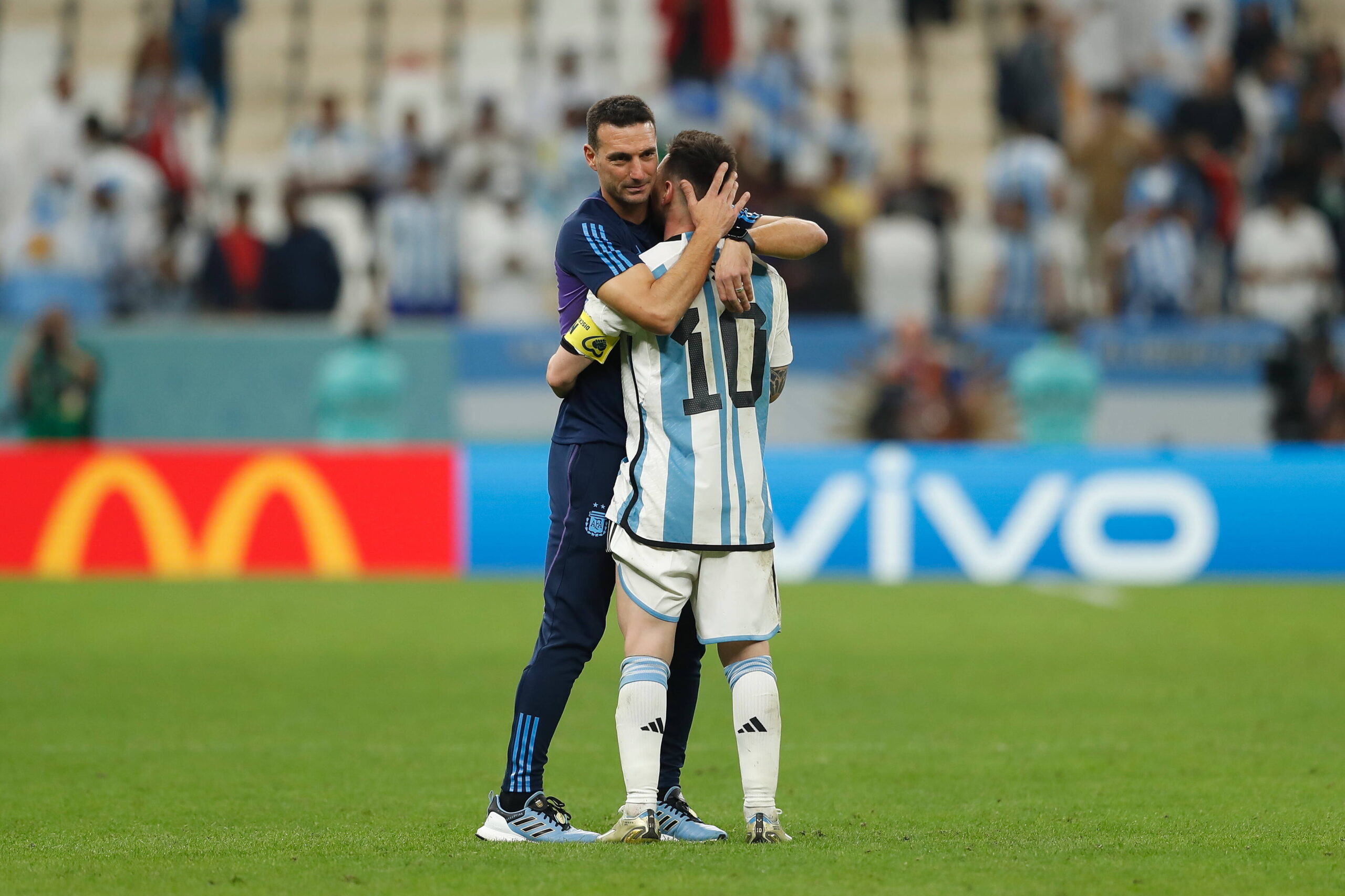
Lionel Scaloni deserves enormous credit for making Argentina more than a team of famous names. He has fashioned a side that can shift between control and directness, keep defensive discipline, and still leave enough room for its match-winners to decide games in the final third. Just as importantly, he has recent tournament-winning experience with this very group, which gives Argentina a calm edge that many rivals cannot match.
That said, managing the group stage will be one of his most important tasks. Argentina do not simply need to qualify; they need to do so without expending too much energy, while keeping senior players fresh and the side tactically balanced before the knockout rounds begin. That is where Scaloni’s judgement could shape not only the group standings but also the entire trajectory of Argentina’s title defence.
Key players
- Lionel Messi: The talismanic captain remains the defining figure, even at this late stage of his extraordinary career. He heads into the tournament after scoring eight goals in qualifying, while his broader World Cup record remains historic, with 26 appearances and 21 direct goal contributions on the grandest stage. However, after playing for Inter Miami, there should be a degree of caution around him, as MLS does not mirror the competitive intensity of Europe’s leading leagues. However, a fresher Messi can still become a devastating tournament weapon if Argentina use him wisely and preserves his body between matches.
- Julian Alvarez: The Atletico Madrid attacker feels increasingly central to the next version of this attack. Alvarez added three assists in qualifying and has developed into one of Argentina’s most important runners and finishers, offering movement, aggression and tactical intelligence in equal measure. If Messi remains the side’s supreme creator and emotional reference point, Alvarez may be the player who turns his team’s territorial dominance into goals consistently.
Algeria
Algeria’s return to the World Cup is one of the more uplifting stories in this group. They are back at the finals for the first time since 2014 after winning CAF Group G with 25 points from ten matches, recording eight wins, one draw and one defeat in a campaign that confirmed both improvement and maturity. It has been a long road back, and that alone gives this squad emotional fuel heading into the tournament.
There is also genuine quality here. Algeria have enough technical ability and attacking variation to trouble teams in transition, and this squad appears better equipped than some of their previous tournament editions to compete over several matches. For a side outside the main spotlight, that can be a useful place from which to operate.
Les Fennecs are capable of making this group uncomfortable for the favourites. The African nation may not be the safest bet to progress automatically, but they certainly have enough talent to challenge Austria for second place and remain in contention deep into the final round of fixtures.
Managerial instincts
Vladimir Petkovic has brought steadiness and direction since taking charge in February 2024. Under him, Algeria have looked more coherent in possession and more measured without the ball, which has allowed the team’s attacking players to operate with greater purpose rather than being left to improvise everything themselves.
His biggest test in this group will be getting the balance right. Algeria have flair and pace in the side, but tournaments punish teams that become too open, especially against opponents as organised as Austria and as ruthless as Argentina. Petkovic’s instincts will therefore matter most in the middle phases of matches, when the temptation to chase the game can open spaces that are difficult to close again.
Key players
- Riyad Mahrez: The experienced winger remains the face of Algerian football and, despite being 35 now, still stands as their de facto attacking leader. The former CAF and BBC African Footballer of the Year has 38 goals for his country and brings the sort of composure in tight spaces that younger players often cannot replicate under pressure. His value lies not only in the end product but in his ability to slow the game to Algeria’s rhythm and make good decisions when matches start to fray.
- Ibrahim Maza: The exciting Bayer Leverkusen talent offers the other side of Algeria’s identity. Maza brings energy, speed and unpredictability, and he has already shown an eye for important contributions, including scoring twice at the 2025 Africa Cup of Nations. In a squad that still leans on experienced names, Maza could provide the X-factor, especially in moments when Algeria need someone to unsettle a settled defensive block.
Austria
Austria head to the World Cup with a sense of historic significance and practical belief. This is only their eighth appearance at the tournament and their first since 1998, but they have earned their place with a strong qualification campaign, winning UEFA Group H with six victories and one draw from eight matches. It is not merely a comeback story, as the arrives with a clear football identity.
That identity is built on intensity. Austria do not want passive matches, and they rarely invite opponents to settle on the ball. Their qualifying PPDA of 7.1, the lowest among UEFA sides, reflects a team determined to press high, disrupt build-up play and push games into a physical and tactical tempo that suits them.
Austria have a strong case to finish second. Their system is clear, their midfield has bite and intelligence, and they look slightly more structurally reliable than Algeria over the course of three matches.
Managerial instincts
Ralf Rangnick has been one of the clearest ideological coaches in international football, and Austria now carry his imprint with conviction. He has turned them into a side that knows what it wants to do in and out of possession, and that clarity often counts for a great deal in tournaments, where preparation time is short and collective habits matter.
The challenge for Rangnick is whether Austria can sustain that intensity across the group stage in North American conditions. A pressing system is only as strong as its legs, and a team that plays with such force must also know when to pause, protect the ball and avoid turning every match into a sprint. If the team manages that balance, they could become one of the more dangerous second-tier teams in the competition.
Key players
- David Alaba: The experienced defender remains Austria’s most recognisable and versatile footballer. His recent club seasons with Real Madrid have been disrupted by injury, which naturally raises questions about how many heavy minutes he can handle in a short span. However, Alaba’s importance extends beyond simple availability. He gives Austria experience at the highest level, tactical flexibility, and the sort of calm that helps hold a side together when a game becomes chaotic.
- Marcel Sabitzer: The experienced midfielder may end up being the more influential outfield presence across the three group matches. The Borussia Dortmund star registered three assists in qualifying and combines leadership with drive, often acting as the side’s connector between pressing phases and attacking transitions. Even with veterans like Alaba and Marko Arnautovic around him, Sabitzer has the authority and all-action quality to become one of Austria’s defining figures in this group.
Jordan
Jordan arrive at the 2026 FIFA World Cup as one of the tournament debutants, and they have earned their place rather than stumbled into it. They were among the earliest teams to confirm qualification, finished second in AFC third-round Group B, scored 32 goals across the campaign and remained unbeaten away from home in the decisive phase.
Those numbers speak of a side that knows how to travel, compete and handle pressure. There is naturally less star depth here than in the other squads in the group, but Jordan should not be dismissed as merely grateful participants.
Their recent rise, including a run to the 2023 Asian Cup final, shows a side that has developed belief and a stronger competitive edge. That mindset could make them dangerous, particularly if matches remain level into the latter stages.
Jordan look competitive enough to trouble at least one of the established sides, but progressing may be a step too far. Even so, they have the structure and attacking threat to make this a far more awkward group than the bigger names would prefer.
Managerial instincts
Jamal Sellami has done well to organise Jordan into a team that understands its limits without becoming fearful. There is discipline in their shape and clarity in their attacking intentions, which is often the best possible blend for a nation entering its first World Cup.
His task now is about the management of moments. Jordan are unlikely to dominate possession against any of the other three sides, so Sellami must make sure they remain compact for long periods and then attack with conviction when openings appear. Tournament football often rewards coaches who know how to keep matches alive, and that may be Jordan’s best route to a surprise.
Key players
- Musa Al-Tamari: Jordan’s headline act and attacking reference point. The Rennes winger offers pace, direct running and the versatility to operate on either flank, making him the player most likely to stretch stronger opponents and create the sort of broken-field situations Jordan needs. Beyond his technical qualities, he carries leadership value too, because this team will look towards him whenever the game starts to tilt against them.
- Ali Olwan: The 26-year-old striker supplies the goals. He was Jordan’s leading scorer in qualifying with nine strikes and underlined his importance with the hat-trick against Oman that sealed the nation’s World Cup place. For Jordan, his role is straightforward but enormous: when chances come, they have to become goals, because there may not be many of them against the stronger teams in the section.
Prediction
- Argentina should top Group J because they possess the best squad, the most accomplished manager in this section, and the sort of proven match-winners that settle tight tournament games. They also have enough recent big-stage experience to avoid panic if one phase of a match does not go to plan.
- Austria look best placed to join them in the round of 32. Their pressing structure, collective discipline and tournament-ready identity under Rangnick make them a slightly stronger proposition than Algeria over three matches, although that contest could remain alive until the final round.
- Algeria may yet push hard for second or enter the wider conversation for a best third-placed route.
- Jordan should leave this group with credit even if results ultimately fall short.