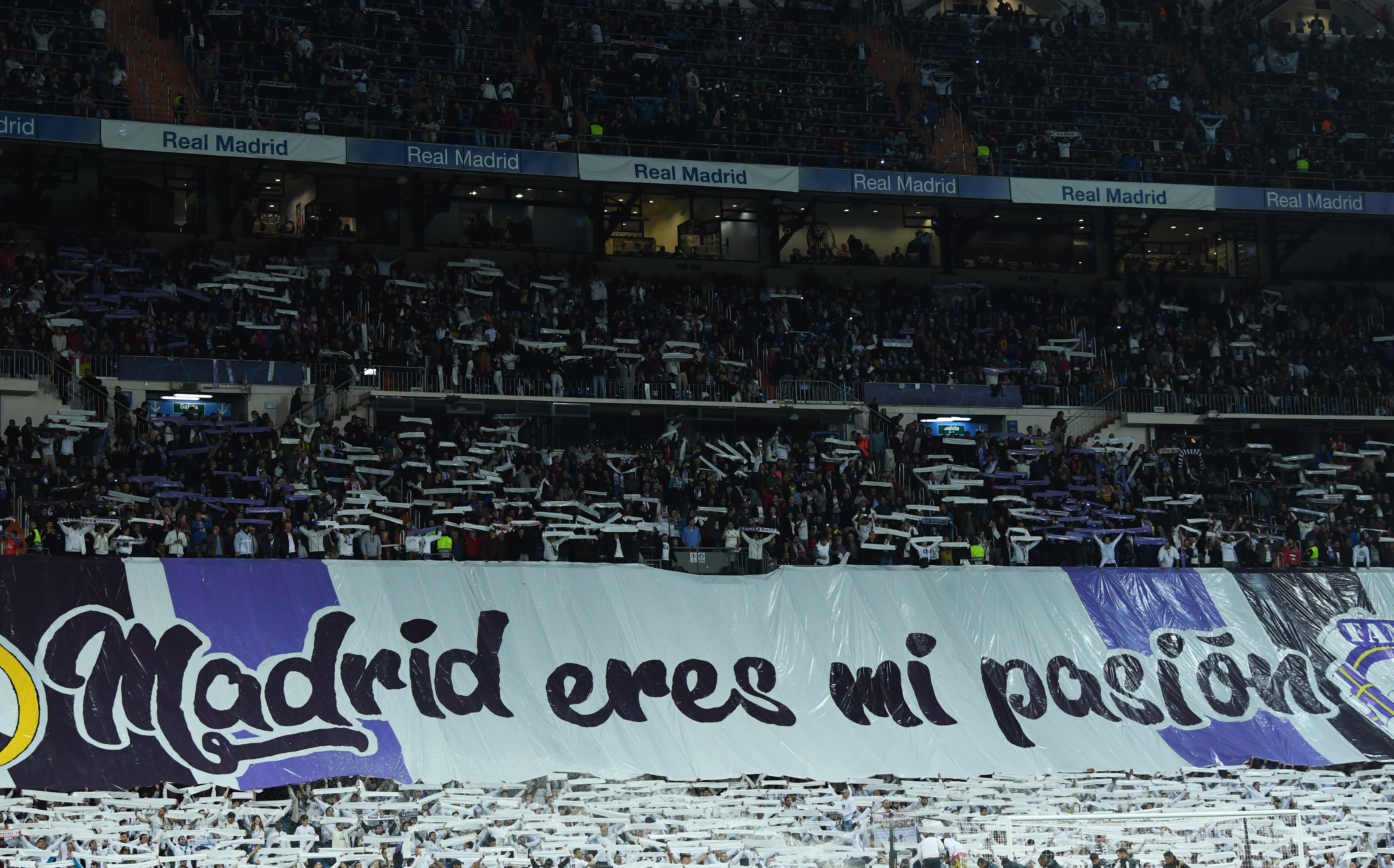
Manchester United’s €6 million Alvaro Carreras error is now Real Madrid’s prize. Nothing stings Old Trafford more than a mistake everyone can see.
Modern football clubs live and die by their decisions in the transfer market. But some sales do not just sting in hindsight; they start to feel like milestones lighting the way for rival clubs to pass by, trophy in hand. For Manchester United, the saga of Alvaro Carreras, sold for a modest €6 million, is rapidly entering this territory of regret, as the young Spaniard has blossomed into one of the most exciting left-backs in the world at Real Madrid.
Alvaro Carreras’s road to Real Madrid
Carreras’s journey has been anything but straightforward. He first honed his skills at Real Madrid’s own youth academy, La Fabrica, before a move to Manchester United in 2020. Despite flashes of talent in England’s youth and reserve teams, first-team opportunities were scarce.
After loans at Preston North End and Granada, Alvaro Carreras was shipped off to Benfica, first on loan, then sold outright as part of a deal that included a €6 million fee with potential add-ons and typical sell-on clauses.
But Benfica saw in him what Manchester United did not. In Portugal, the left-back seized his moment: 32 appearances, three goals, a starring role in the Champions League against Barcelona, and a League Cup winners’ medal.
Suddenly, a host of clubs noticed, but it was Real Madrid, always eager to reclaim a homegrown gem, who triggered his €50 million release clause. Just over a year after United moved him on, Carreras was commanding more than thirteen times the fee they received for him.
Manchester United’s Decision: More Than Just Bad Luck
Manchester United’s transfer activity in recent years has favoured splashy, big-budget arrivals over the careful nurturing of youth. In Carreras’s case, this focus meant a combination of tactical neglect, impatience, and questionable prioritisation from Erik ten Hag’s regime.
Despite evidence of progress, shining in the EFL Championship and acclimatising to the rigours of Spanish football at Granada, United simply didn’t see room for him. Instead, Manchester United bet heavily on established left-backs and shifted academy prospects down the pecking order.
A smart club is supposed to hedge by inserting buy-back and sell-on provisions into its outgoing youth deals, a safety net in case a sold player explodes. Manchester United managed the minimum essentials, but failed to read the obvious signals staring them in the face, a player whose progress was accelerating by the month.
Clauses: Too Little, Too Late?
Were Manchester United at least wise enough to protect themselves financially? The answer is a frustrating “partly.” There were buy-back options and a sell-on clause attached to his contract at Benfica. However, when Real Madrid moved quickly, United still walked away with far less than Carreras’s soaring new valuation.
Worse yet, the club hesitated to match the ambition being shown by others. Even as Benfica began to trust Carreras in high-leverage games, Manchester United did not attempt to bring him back, choosing instead to chase new, expensive recruits who have not always justified their price.
Benfica: The Launchpad Alvaro Carreras Needed
At Benfica, Carreras became more than just a promising academy product; he turned into a fixture. His stats in Portugal did more than just fill columns. Crowning a busy season with three league goals and a stack of impressive performances, he was instrumental in Benfica’s domestic triumphs and European runs.
His combination of pace, positional intelligence, and ability to join a midfield press made him an all-rounder at left-back and occasionally even centre-back, a tactical flexibility that caught Real Madrid’s scouting eyes.
Alvaro Carreras at Real Madrid: From Backup to Breakout
Real Madrid’s need for a solid presence down their left flank had become acute. Ferland Mendy and Fran Garcia, their senior left-backs, had struggled for consistency and fitness. New coach Xabi Alonso wanted a modern, adventurous full-back, one with a Spanish passport to further help domestic registration rules. Carreras ticked every box and has quickly made the position his own.
The numbers offer proof. In September, Carreras led all defenders across Europe’s top five leagues for possessions won, a testament not only to his ball-winning ability but also his reading of the game and sheer work rate.
Already, he has started every match when fit, earning ratings above 7.5 in metric-rich models, playing out for 712 minutes across La Liga and European matches without a single mistake leading to a goal.
Those metrics, combined with his calm performances at centre-back when Real Madrid rotated formations, speak volumes for his tactical maturity, a skillset that echoes the best of modern defenders, not just full-backs.
Few would have expected Carreras to seize his chances as thoroughly as he has, but perhaps that’s the point. Football is as much about anticipation as execution. Real Madrid’s valuation of Carreras, which spiked to €80 million within months, signals just how highly he is now rated on the continent, after the club paid his €50 million clause to Benfica.
The Numbers Don’t Lie: Manchester United’s Bitter Windfall
In financial terms, Manchester United’s share of the €50 million Real Madrid paid SL Benfica, a slice awarded thanks to their sell-on clause, represents only a modest consolation. Compare this to the revenue the Red Devils would have pocketed had they developed Carreras into a regular first-team player or even sold him after his breakout. Instead, as the player now headlines matchday squads in Real Madrid, Manchester United’s left-back slot remains a merry-go-round of inconsistent performances.
This is not just a story about Carreras. It is a case study, a warning, a call to arms for Manchester United and other clubs who risk undervaluing homegrown talent. Today, the market tilts in favour of versatile, technically sound full-backs.
The best clubs mix investment in marquee signings with proper promotion of emerging stars. A buy-back clause is not enough; vision, patience, and tactical belief are required in equal measure. The missed opportunity is doubly stinging as Carreras was never just a defensive talent. He has stood out in Xabi Alonso’s Real Madrid setup for his runs, recovery tackles, and passes that open up spaces.
The Spaniard’s ability to contribute as a left-sided centre-back, plug gaps under pressure, and lead defensive metrics, like possessions won in a month, many defenders would be content to simply survive, signals a completeness Manchester United rarely see in their left-back options today.
What Now for Manchester United?
Football, thankfully, is a cyclical game. As glaring as the Carreras miss feels, Manchester United can still recover, if they learn. Future dealings must balance immediate needs with the steady evolution of core talent. The Carreras case underlines that nurturing and backing your youth system is not just about nostalgia. It is about results, and, as Real Madrid are discovering, trophies.
In the short term, Manchester United will need to keep searching for consistency on the left. The staff will pore over scouting reports, review data, and weigh up the credentials of the next “next big thing.” But their supporters, vocal, loyal, and never shy with their opinions, won’t soon forget the image of Alvaro Carreras rampaging down the left for Real Madrid, an opportunity lost, a lesson learned the hard way.