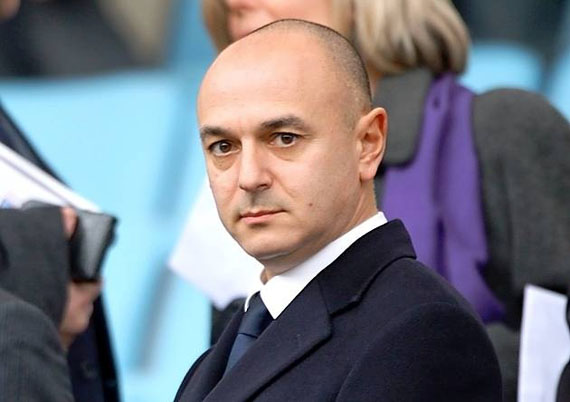
In a move that sent shockwaves through the Premier League, Daniel Levy announced his decision to step down as Tottenham Hotspur’s chairman after more than two decades at the helm. The news broke on a crisp autumn day in 2025, with Levy citing a desire to pursue new personal ventures and allow fresh leadership to guide the club into its next chapter.
Insiders suggest that at 63, Levy felt the time was right to hand over the reins, especially after years of intense scrutiny and the club’s evolving status in English football. Some point to recent fan frustrations over transfer policies and a string of trophyless seasons as contributing factors, but Levy himself framed it as a natural progression, emphasising his pride in what he’s built.
Daniel Levy’s Tottenham Journey
Levy’s journey with Tottenham began in 2001, and it is hard to overstate his role in transforming the club from mid-table contenders into a consistent top-six force.
When he took charge, Spurs were often overshadowed by rivals like Arsenal and Manchester United. Levy changed that through smart decisions that boosted the team’s profile. He backed managers like Martin Jol and Mauricio Pochettino, who brought exciting football and regular Champions League spots.
Under his watch, Tottenham reached the 2019 Champions League final, a pinnacle moment that cemented their elite status. Levy’s vision was not just about wins; it was about building a sustainable model that kept Spurs competitive in a league dominated by big spenders.
What really set Levy apart was his knack for turning Tottenham into a financial powerhouse. His shrewd business moves, like clever player trading, think selling stars like Gareth Bale for record fees and reinvesting wisely, kept the books balanced.
He also secured lucrative sponsorship deals, from kit manufacturers to stadium naming rights, pumping millions into the club. These practices ensured Tottenham could compete without drowning in debt, unlike some rivals. Levy’s approach was all about long-term stability, making Spurs one of the richest clubs in the world by revenue.
The Tottenham Hotspur Stadium: Daniel Levy’s Brainchild
No discussion of Levy’s legacy is complete without the stadium story. He was the driving force behind the shift from the beloved but outdated White Hart Lane to the state-of-the-art Tottenham Hotspur Stadium, opened in 2019. The project, costing over £1 billion, faced delays and controversies, but Levy navigated it all.
The new venue is not just a football ground; it is a multi-purpose arena hosting NFL games, concerts, and events, generating extra income streams. This move elevated Tottenham’s global brand, attracting top talent and fans, and helped them rub shoulders with Europe’s elite. The stadium’s revenue has been a game-changer, funding squad improvements and solidifying Spurs as a Premier League heavyweight.
Business Growth Over Sporting Success?
But did Levy put business ahead of on-pitch success? Critics argue yes, he is often called stingy in the transfer market, prioritising profits over trophies. While rivals splashed cash on superstars, Levy focused on value deals, leading to accusations that he ignored the club’s sporting dreams.
Tottenham’s last major trophy was the 2008 League Cup, and fans have grown restless. Yet, defenders say his caution protected the club from financial pitfalls, allowing consistent top-four finishes without the risks that have plagued others. It is a balancing act: Levy built a massive business entity, but at what cost to silverware?
What Next For Tottenham After Daniel Levy’s Exit?
Looking ahead, Levy’s exit could be a double-edged sword for Tottenham. On the positive side, new leadership, rumored to involve more investment from owners ENIC, might bring a bolder approach to transfers and tactics, potentially ending the trophy drought. It could refresh the club’s image and energise fans.
However, there is risk: Levy’s business acumen was key to stability, and without it, Spurs might struggle in a competitive market. If the new regime overspends or mishandles deals, financial troubles could loom. Overall, it is likely a good step if it injects fresh energy, but only time will tell if it propels Tottenham forward or leaves a void.
Reflecting on the Levy Years
Daniel Levy’s tenure as Tottenham chairman can be summed up as a tale of transformation laced with triumphs and tensions, a 24-year ride that reshaped a historic club into a modern giant. Taking over in 2001 amid modest expectations, Levy inherited a team floating in the Premier League’s middle pack. His early days focused on steadying the ship, but it was his bold vision that truly shone through.
By championing managers who delivered thrilling football and steering the club to regular European contention, he turned Spurs into perennial top-six challengers. The 2019 UEFA Champions League final run under Pochettino stands as a high point, proving Levy’s strategies could compete with the best.
Financially, Levy was a mastermind. His player trading, flipping talents like Gareth Bale and Luka Modric for huge profits, funded growth without reckless spending. Sponsorships and commercial deals flowed in, boosting revenue from £50 million to over £500 million annually.
The crown jewel? The Tottenham Hotspur Stadium. Levy’s persistence through construction woes created a venue that is not just a home ground but a revenue machine, hosting everything from boxing to Beyonce concerts. This infrastructure leapfrog positioned Spurs as a global brand, drawing international fans and partners.
Yet, the era was not without flaws. Levy’s frugal transfer policy often frustrated supporters, who watched rivals hoard trophies while Spurs chased financial prudence. Did he sacrifice glory for stability?
Perhaps, but in an era of inflated wages and owner bailouts, his model kept Tottenham debt-free and competitive. Managers came and went — Harry Redknapp, Andre Villas-Boas, Jose Mourinho, Antonio Conte — but Levy’s business-first ethos remained, sometimes clashing with on-field ambitions.
As he steps away in 2025, Levy leaves a club far stronger than he found it: debt-light, facility-rich, and poised for success. Critics may point to the trophy cabinet’s dust, but admirers hail him as the architect of sustainability in a spendthrift league. His exit opens doors for bolder pursuits, yet it marks the end of an era defined by calculated risks and quiet revolutions. Tottenham’s future shines bright, thanks largely to the foundation Levy built, one brick, one deal at a time.