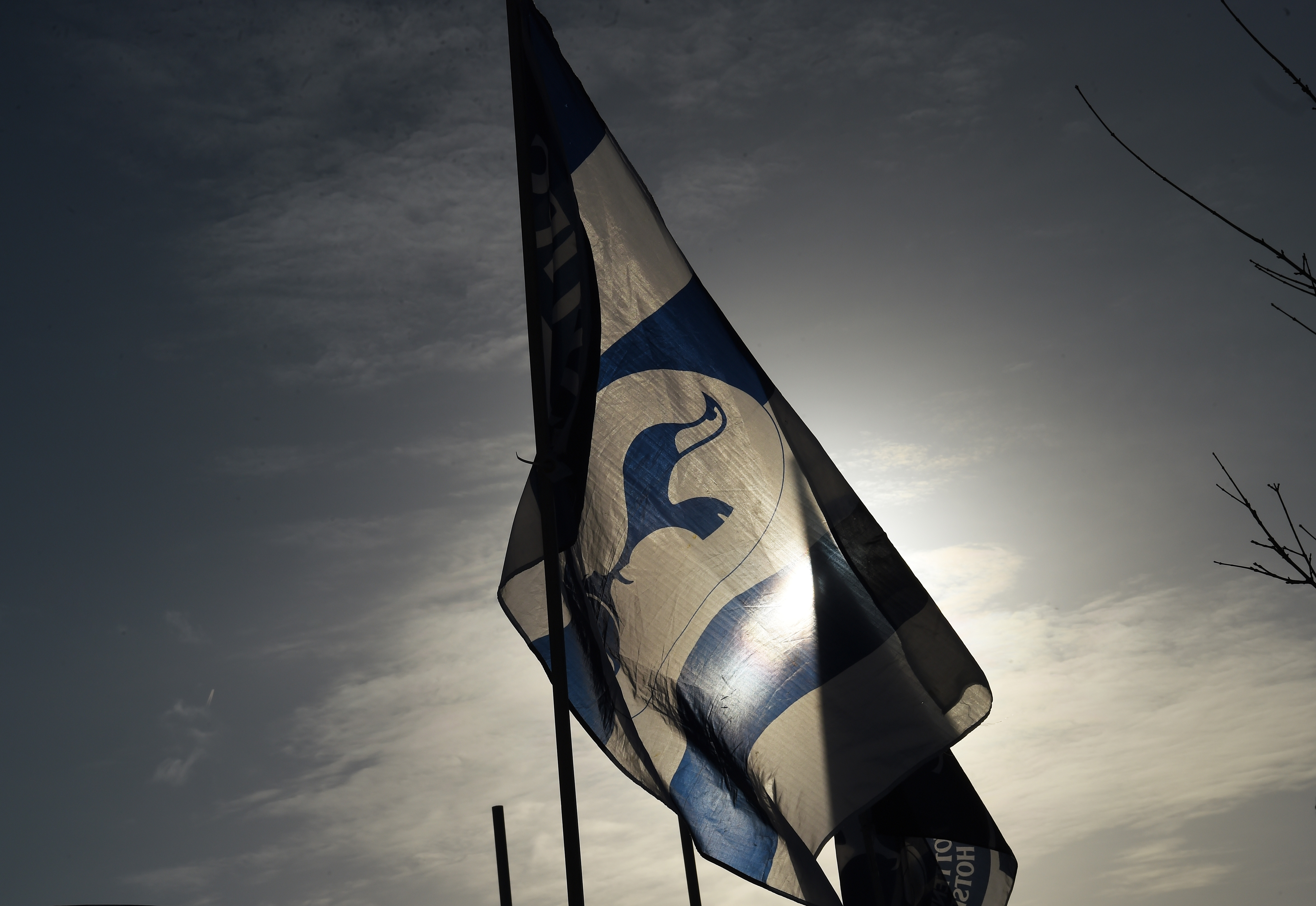
Hope has fooled Tottenham before, but in Thomas Frank’s first steps, there is something that feels too sharp to ignore.
Tottenham Hotspur and cautious optimism, the two have walked hand-in-hand for years now, adn the excellent beginning under Thomas Frank may leave many cautious, even if optimistic. Spurs supporters have grown used to hope arriving with new managers, only to be dashed by inconsistency, injuries, or sheer bad luck.
From Jose Mourinho to Antonio Conte, serial winners elsewhere found themselves stumbling in north London. Ange Postecoglou, with all his charm and attacking philosophy, gave fans nights to remember and the taste of long-awaited silverware, yet in the Premier League, his reign never quite hit the sustained levels required to compete with the elite.
By the summer of 2025, Tottenham found themselves looking once again for a fresh direction, and they turned to Brentford’s long-serving boss Thomas Frank. Eyebrows raised initially at the choice. Frank, though highly rated, had not managed a club of Tottenham’s stature.
Could he really steady the Spurs ship after years of turbulence? Two league games in, the answer feels loudly affirmative, but should fans allow themselves to get carried away?
Ange Postecoglou’s time and why change felt inevitable
It feels almost harsh to label Ange Postecoglou’s spell as anything other than a partial success. The Australian tactician brought fun back to the Tottenham Hotspur Stadium. He ripped away the defensive shackles left by Mourinho and Conte and insisted on a bolder, more adventurous brand of football.
Spurs won the Europa League under him, ending a 17-year wait for a major trophy, and at times their attacking football was irresistible. Yet the Premier League table told a different story. Defensive fragility, coupled with an inability to control games against fellow top-six sides, left Spurs treading water rather than thriving.
For a club desperate to cement itself among the elite, top-four finishes matter, and Postecoglou couldn’t consistently deliver them. The hierarchy eventually decided a change was needed to push Tottenham into the next level of competitiveness.
Enter Thomas Frank and an explosive beginning for Tottenham
Thomas Frank’s appointment was hardly glamorous. However, Tottenham had clearly learned from the pitfalls of chasing big names. Instead of another marquee manager, they chose footballing substance. And Frank, to his credit, wasted no time making a statement.
A 3-0 opening day win over Burnley set the tone. Efficient, dominant, and commanding in both penalty boxes, Spurs looked sharper than at any point last season. But it was the next game that truly sent shockwaves across the league: a 2-0 victory over giants Manchester City.
As unlikely as it sounds, Spurs outworked Pep Guardiola’s side. Frank’s men pressed with unity, forced turnovers in dangerous areas, and attacked with courage. Where previous Tottenham teams may have shrunk under the pressure, this one stood tall. It was not a smash-and-grab; it was control through intensity, and fans could sense something different brewing.
The Thomas Frank blueprint: Familiar yet refreshing
Thomas Frank is not reinventing the wheel at Tottenham, but he is refining it. He demonstrated at Brentford that he knows how to make limited squads punch above their weight. From turning them into a pressing machine in the EFL Championship to beating Premier League giants with shrewd tweaks, his adaptability is well-documented. What is intriguing is how smoothly those principles are already visible at Tottenham.
Playing out from the back: Ange Postecoglou insisted on daring buildup play, often at the risk of turnovers. Under Thomas Frank, the build-up has more structure. The centre-backs are patient, the midfield pivots provide consistent outlets, and the risk-taking looks more calculated than reckless.
Relentless pressing: Tottenham are pressing higher and harder. Against Manchester City, their front line consistently harried goalkeeper James Trafford into rushed decisions. For a club once reluctant to sustain pressing for 90 minutes, this shift is eye-catching.
Balance in midfield: Perhaps the biggest difference is discipline. Joao Palhinha, written off by many after his struggles at Bayern Munich, has been rejuvenated under Thomas Frank. Instead of chasing shadows, he now shields the backline with poise, winning duels and dictating tempo. In short, the new Spurs already resemble a team with a plan rather than just raw ideas.
Life without Son Heung-min and James Maddison: Unexpected positives
Big names leaving usually spell crisis. Losing Son Heung-min, the Tottenham talisman for so many years, would worry any squad. James Maddison’s injury, expected to keep him sidelined for several months, only compounded those fears.
But strangely, the absence of obvious leaders has forced others to step up, and that might be a hidden blessing. Richarlison, so often maligned for inconsistency, now looks like a player reborn. His movement off the ball, pressing intensity, and confidence in front of goal give Spurs a focal point they sorely lacked at times last season.
Even his body language feels different: less frustration, more purpose. Meanwhile, the midfield does not appear handicapped without Maddison. Pape Matar Sarr and Palhinha are combining well to control tempo, while younger players have been trusted with minutes in attacking transitions. Tottenham are finding strength in collective identity, not in reliance on individuals.
Early highs and Spurs’ Familiar Trap
Here lies the dilemma for supporters: can this truly be sustained? Tottenham fans do not need reminding of how bright starts can fade. Nuno Espirito Santo, during the 2021/22 campaign, began with three league wins, including against Manchester City. Optimism surged. By November, he was gone, undone by tactical rigidity and tepid performances.
Even under Antonio Conte and Jose Mourinho, the cloud of “nearly” hovered constantly. The two former Chelsea managers offered pedigree but not progress. They, too, brought initial spikes of excitement, before systemic issues swallowed momentum. Spurs’ history urges caution: this club has looked like a title contender in August only to look ordinary by December.
Squad depth: A serious question
If Tottenham want to push beyond being a fun, energetic side and genuinely compete for honours, depth may be their Achilles heel.
The summer transfer window did not fully satisfy fans. High-profile targets like Morgan Gibbs-White and Eberechi Eze slipped away. That leaves creative midfield options thin, particularly in Maddison’s absence.
Injuries to Richarlison or Joao Palhinha would expose a lack of like-for-like replacements. Unlike City, Arsenal, or even Liverpool, Spurs cannot rotate seamlessly across two or three competitions.
Frank’s tactical philosophy demands energy and proactive pressing. Maintaining those levels across a long season without substantial squad rotation feels challenging. Fatigue, as history shows, can undo even the most exciting projects.
Why This Time Feels Different
While caution makes sense, there is also justification for genuine excitement. Not because Tottenham have reinvented themselves overnight, but because Thomas Frank is marrying pragmatism with ambition.
He is not simply repeating the wide-eyed optimism of Ange Postecoglou or the rigid authoritarianism of Antonio Conte. Instead, he is instilling disciplined bravery, attacking when the moment is right, defending with cohesion, and trusting his players to take responsibility.
There is also something cultural at play. Frank energised Brentford with belief and unity, and early signs suggest he is doing the same in North London. Spurs’ dressing room looks happier, more in sync, less reliant on stardom.
The Road Ahead for Tottenham and Thomas Frank
For now, Tottenham find themselves in rare air: sitting at the very top after two wins, and deservedly so. Fixtures against mid-table opposition in the coming weeks will test whether Frank’s early blueprint holds firm or if intensity dips.
The acid test, of course, will be consistency against fellow European contenders across the winter months. If Spurs can weather James Maddison’s absence, avoid major injuries, and eke out performances when legs grow heavy, then the top four is absolutely realistic. A title challenge might still be ambitious, but stranger things have happened in football when momentum meets belief.
Conclusion: Optimism With Guardrails
So, should Spurs fans be excited? The short answer is yes, but thoughtfully so. Tottenham have not just stumbled into early wins; they have beaten Manchester City by outplaying them, not outlasting them.
The foundations look stronger than under previous “new eras.” Players like Richarlison and Joao Palhinha finally look like cornerstones of a project rather than pieces of a puzzle that never fit.
But football seasons are long and unforgiving, and Tottenham have learned the hard way not to equate August form with May trophies. What matters is not just how Frank’s charges start, but how they sustain. Depth, adaptability, and resilience will decide whether Spurs’ promising spark grows into a flame.
For now, though, the Tottenham faithful can allow themselves a rare luxury: cautious joy. And maybe, just maybe, under Thomas Frank, Spurs really are heading towards a future worth believing in.