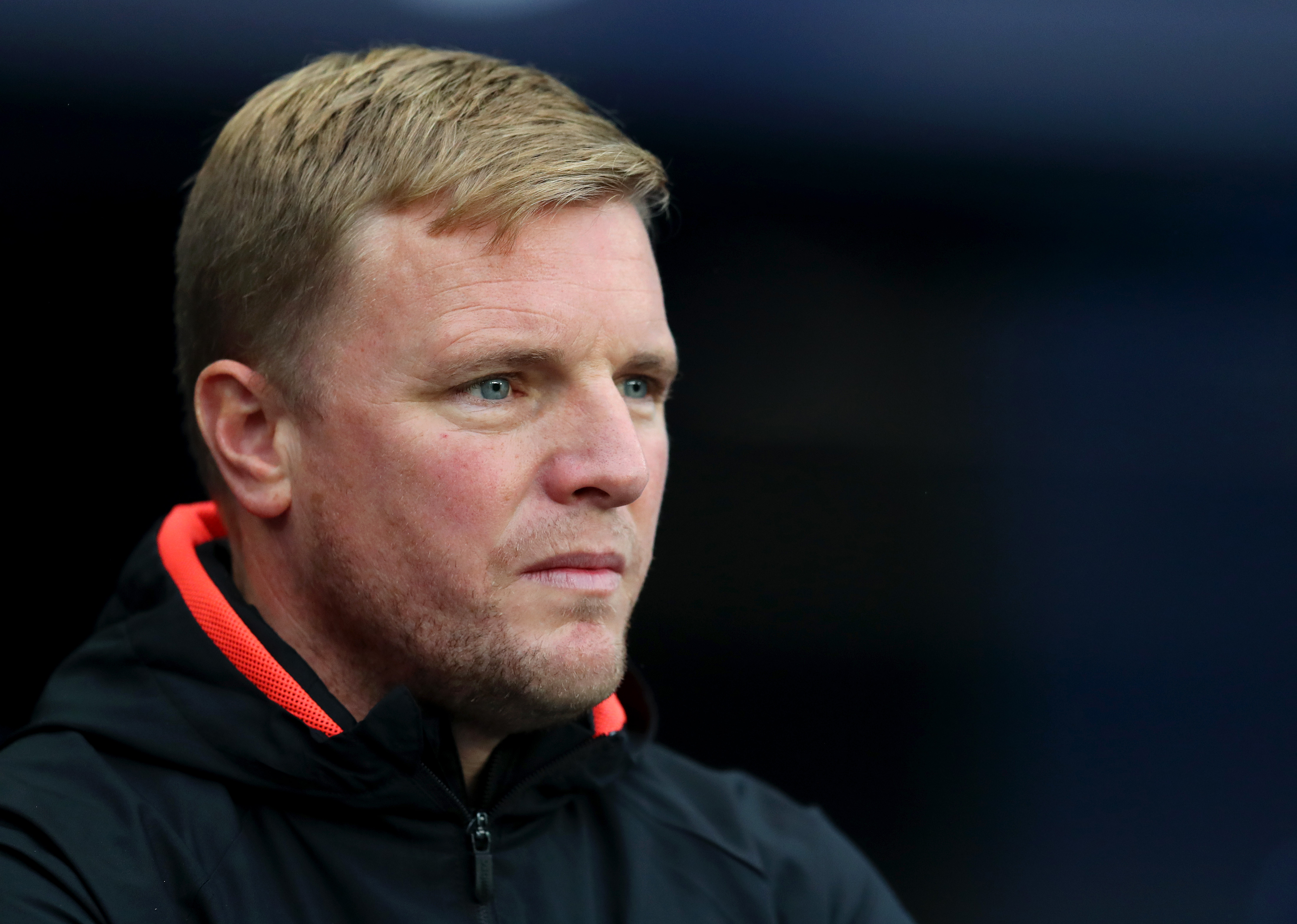
Under Eddie Howe’s leadership, Newcastle United are preparing for a crucial Premier League season after dramatically securing UEFA Champions League qualification near the end of the last campaign. With ambitions of cementing their place among the Premier League elite, this summer’s transfer window was expected to build on that momentum.
However, the window has been marked by frustration, with Newcastle United missing out on several key transfer targets like Bryan Mbeumo. As a result, they have had to move for secondary options, which signals a slight shift down in their ambition.
One of the challenges appears to be financial constraints despite their Champions League qualification. Competing with top-tier clubs has proven difficult in terms of both transfer fees and wages, dampening some of the excitement around the club’s recent progress.
This cautious frustration among fans is palpable, as expectations were high for a summer of marquee signings to reinforce their top-four ambitions. Instead, the Magpies have had to adjust their expectations mid-window, leaving some questions about their ability to compete across multiple fronts this coming season.
Hugo Ekitike/Alexander Isak saga – Did Newcastle United win?
Newcastle United’s pursuit of Hugo Ekitike fell apart not because of financial limitations, but due to the pull and pedigree of clubs like Liverpool. While the Magpies presented a competitive financial offer, the player ultimately chose a more established club, highlighting how Newcastle still face an uphill battle for high-profile signings.
Without Ekitike, Newcastle United also lost a crucial part of their long-term planning. Signing Ekitike was not just about depth this season — it would have given them a succession plan for Alexander Isak in the future, whether they chose to sell him now or several seasons down the line. Missing out on Ekitike means Newcastle may have to revisit the market again in the future without a clear heir apparent for their star striker.
On top of that, Newcastle United’s cautious approach to the transfer window was affected by financial fair play considerations. Even though the Tyneside outfit did not have strict PSR constraints, they opted not to spend heavily before the unofficial June 30 deadline, a date many clubs rushed to meet to stay compliant. That hesitation may have caused them to lag behind their rivals in securing top targets early in the window.
Major repurcussions facing Eddie Howe
Over-reliance on existing stars
This lack of depth becomes particularly problematic when considering the fixture congestion that Champions League participation brings. Eddie Howe’s squad will need to navigate domestic and European competitions with essentially the same players who showed inconsistency last season.
Injury Risks and Tactical Limitations
The failure to add quality depth means any significant injury to key players could derail their entire season. With players like Isak, Joelinton, and their defensive core facing increased workloads, the margin for error has become dangerously thin.
Newcastle United’s transfer mismanagement has left them with reduced tactical flexibility at crucial moments. The versatility that players like Cunha could have provided means Howe has fewer options to change formation that provides fluidity depending on game state and different oponents. Howe could also struggle with resting key stars, which could potentially bring about a drop in quality.
More importantly, the demands that a season with Premier League and UEFA Champions League football brings, could potentially end up costing the Magpies a shot at a top four place, which does brings them back to square one from where they were at the start of the 2024/25 season.
Key Questions
First, the impact on their upcoming season. Without new signings, the squad lacks depth. That is risky because they’ll face fixture congestion across the Premier League, domestic cups, and potentially European competitions. With a thin squad, there is a higher chance key players will get overworked, leading to poorer performances over time.
Second, the pressure on key players. With few new arrivals, players like Bruno Guimaraes and Alexander Isak will have to shoulder more responsibility. If they underperform or get injured, the team could struggle significantly because there are not enough quality replacements.
Third, the vulnerability to injuries. If key players miss time, Newcastle United will have a hard time maintaining their competitive edge. Other top clubs have deeper benches, so they can rotate players more effectively. Newcastle’s lack of signings might expose them to that disadvantage over a long season.
Fourth, the potential solutions. Management might have to focus on promoting younger players or finding lower-cost targets. That can work in the long run, but it is less reliable in the short run. It could take time for those players to adapt to Premier League level or for management to find bargain signings.
Finally, the big picture. These challenges could mean Newcastle United underperform and fails to qualify for Europe again, or they might even find themselves in mid-table rather than challenging for higher spots.
Eddie Howe under tremendous pressure
If Newcastle United does not meet expectations due to the lack of signings, Eddie Howe could face growing pressure from both fans and the club’s owners. Even though it might not be entirely his fault — given financial constraints — managers are often the ones held responsible for results.
If the team struggles, especially after last season’s progress, Howe might be judged more critically. Ownership and fans could start questioning his tactics or ability to manage the squad under pressure. So, the manager’s job security could become another major storyline if results don’t go Newcastle’s way early in the season.
In Conclusion: Competitiveness at Risk
Newcastle United’s transfer mismanagement will likely hurt their chances of staying competitive this season, particularly in achieving their dual objectives of top-four Premier League finish and meaningful Champions League progress.
The lack of squad depth, reduced tactical flexibility, and psychological impact of public transfer failures create a perfect storm of challenges. While the existing squad has quality, the margin for error has become razor-thin.
The most concerning aspect is how these issues compound each other: fixture congestion leads to fatigue, which increases injury risk, which exposes the lack of depth, which puts more pressure on remaining players. This cycle could quickly spiral out of control if not carefully managed.
Newcastle United may still achieve respectable results, but their ability to compete consistently at the level their ambitions demand has been significantly compromised by their summer transfer failures. The season will now serve as a stern test of whether existing quality and tactical cohesion can overcome the fundamental squad limitations that poor transfer management has created.