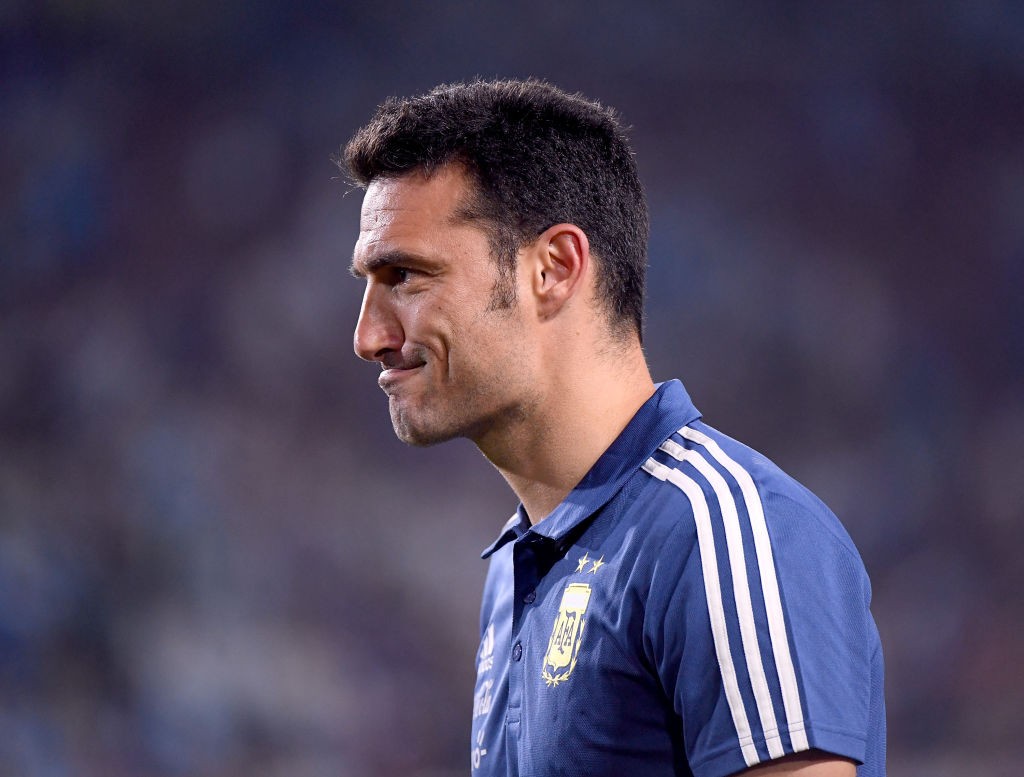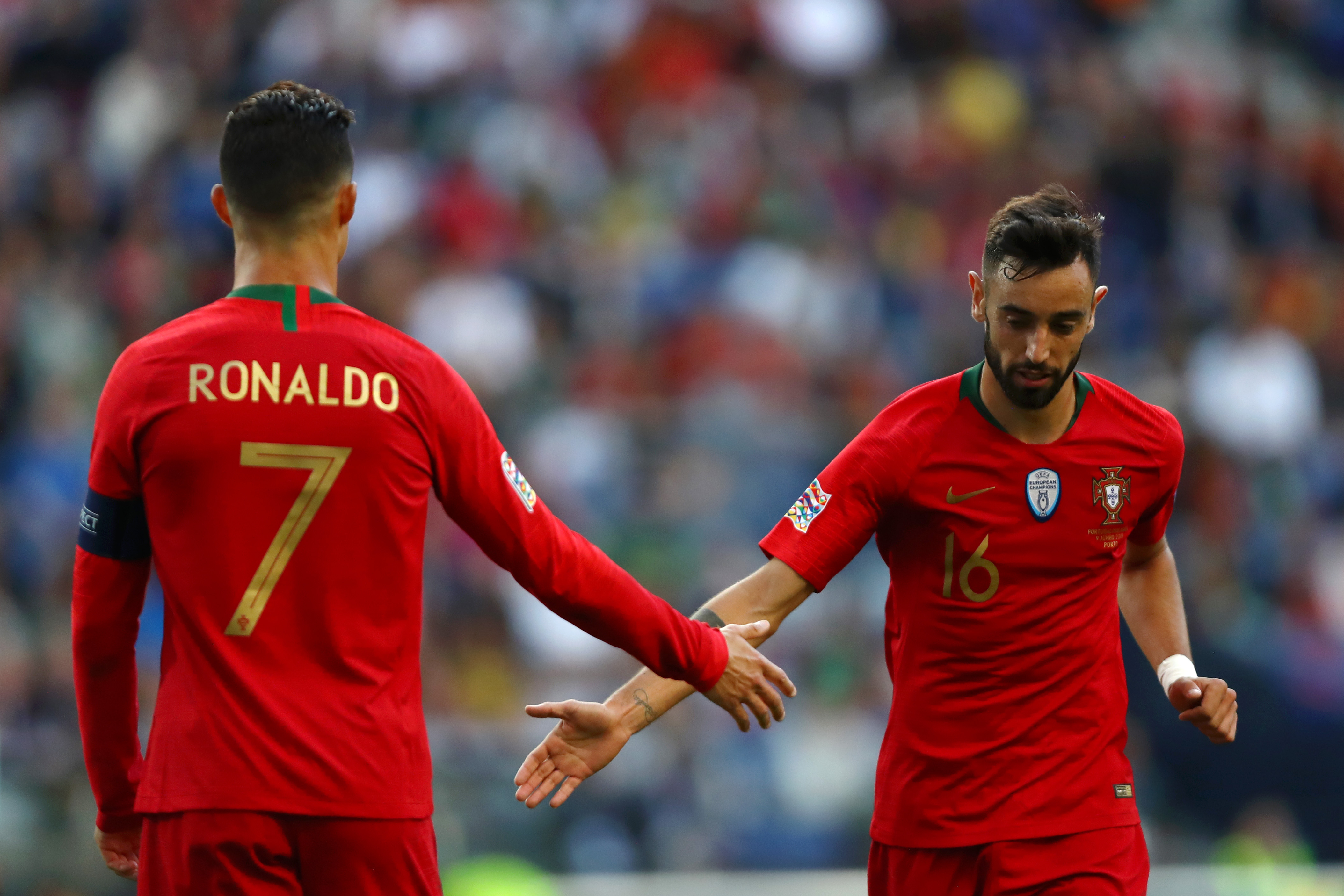
The Hard Tackle takes a closer look at its Dark Horses for the FIFA World Cup 2026: Senegal, Norway, and Croatia.
At every global tournament, the spotlight inevitably gravitates toward the footballing giants, France, Germany, Argentina, Brazil, and Spain, teams with the resources, reputation, and expectations to win it all.
But history reminds us that the most memorable stories often come from the dark horses that punch above their weight. Morocco’s historic semi-final run at the 2022 World Cup in Qatar proved that African teams can dismantle the established order, and now, three teams are poised to do something similar in North America.
Senegal, Norway, and Croatia represent different paths to potential glory. The African giants will be looking to replicate their 2022 Round of 16 appearance, Norway’s triumphant return after a 28-year absence, and the Balkan veterans who’ve finished 2nd and 3rd in the last two World Cups. Each brings unique qualities that could make them tournament spoilers. The Hard Tackle takes a closer look at all three of them.
Senegal: The Lions’ Second Act
Road to 2026: African giants’ ascendant
Senegal qualified directly for the World Cup by finishing top of CAF Group B with 24 points from 10 matches (7 wins, 3 draws, 0 losses), scoring 22 goals and conceding just 3. Their attacking prowess was evident throughout qualifying, with Iliman Ndiaye, Nicolas Jackson, and Ismaila Sarr forming a deadly forward line that overwhelmed opponents.
The Lions of Teranga entered Group I alongside France, Norway, and Iraq, making their group one of the toughest in the tournament, yet their confidence remains sky-high after their dominant performances in the recent past and a memorable 2022 World Cup campaign where they reached the Round of 16 before losing to eventual champions Argentina.
The Architect: Pape Thiaw’s Tactical Vision
Pape Thiaw took over as Senegal’s head coach towards the end of 2024 after Cisse’s departure, inheriting a squad brimming with Premier League and European talent. His philosophy centres on defensive organisation combined with rapid counter-attacks, leveraging the pace of players like Ismaila Sarr and Iliman Ndiaye to exploit spaces left by opponents.
Thiaw’s defensive setup has been key in Senegal’s recent success, and he’s known for his man-management skills that have kept the squad united despite the ageing of key stars like Sadio Mane and Kalidou Koulibaly. His approach blends African footballing intuition with European tactical discipline, making Senegal dangerous against both weaker and elite opposition.
The Squad:
Goalkeepers: Edouard Mendy (Al-Ahli), Mory Diaw (Le Havre), Yehvann Diouf (OGC Nice)
Defenders: Kalidou Koulibaly (Al-Hilal), Krepin Diatta (AS Monaco), Moussa Niakhate (Lyon), Abdoulaye Seck (Maccabi Haifa), Ismail Jakobs (Galatasaray), Mamadou Sarr (Chelsea), Antoine Mendy (OGC Nice), El Hadji Malick Diouf (West Ham United), Ilay Camara (Anderlecht), Moustapha Mbow (Paris FC)
Midfielders: Idrissa Gana Gueye (Everton), Pape Matar Sarr (Tottenham), Habib Diarra (Sunderland), Pape Gueye (Villarreal), Lamine Camara (AS Monaco), Pathe Ciss (Rayo Vallecano), Bara Sapoko Ndiaye (Bayern Munich)
Forwards: Sadio Mane (Al-Nassr), Ismaila Sarr (Crystal Palace), Nicolas Jackson (Bayern Munich), Iliman Ndiaye (Everton), Bamba Dieng (Lorient), Cherif Ndiaye (Samsunspor), Ibrahim Mbaye (PSG), Assane Diao (Como)
Key Players
Sadio Mane: The Al-Nassr forward has 127 caps and 55 goals for Senegal, having led his country to their first AFCON title in 2022. His experience at Bayern Munich and Liverpool means he’s faced the world’s best, and his dribbling ability makes him a constant threat.
However, he is 34 and playing in Saudi Arabia, which means his match sharpness is questionable. He’s averaged just 0.41 goals per 90 this season, and his mobility has declined since leaving Europe’s top leagues.
Kalidou Koulibaly: The Al-Hilal defender brings 102 caps and leadership to Senegal’s backline, having been a cornerstone at Napoli and Chelsea. His aerial dominance and positioning make him indispensable in defending set-pieces.
Koulibaly’s mobility has declined since moving to Al-Hilal, and he has conceded 1.3 goals per 90 this season. Age has caught up to him at 34, and it could be exploited by faster strikers like Erling Haaland or Kylian Mbappe in group fixtures.
Norway: The Dark Horse Nobody Expected
Road to 2026: A Fairytale Return After 28 Years
Norway’s qualification was nothing short of miraculous: 8 wins from 8 matches, scoring 37 goals and conceding just 4, earning a perfect 24 points to finish top of their UEFA qualifying group. Their unbeaten run included a 3–0 demolition of Turkey and a 4–0 victory over Kazakhstan, marking their first World Cup appearance since 1998 and ending a 28-year drought.
The nation is now fully invested in this journey, with Netflix even documenting their story with “Norway: The Dark Horse” upon release. This qualifying performance was one of the best in UEFA history, with Norway averaging 4.6 goals per match and maintaining a 0.5 goals conceded per game ratio.
The Architect: Stale Solbakken’s high-intensity system
Stale Solbakken transformed Norway’s fortunes with a high-intensity pressing system built around Erling Haaland and Martin Odegaard. His track record includes winning the Danish league with Copenhagen and having a successful stint at Wolverhampton, where he emphasised defensive solidity while maintaining attacking fluidity.
Solbakken’s philosophy centres on quick transitions, with Norway’s pressing triggers sharp enough to regain possession in the attacking third an average of 7.4 times per match. His ability to integrate young talent like Antonio Nusa and Oscar Bobb while relying on experienced stars has made Norway one of the most exciting teams at the tournament.
The Squad:
Goalkeepers: Orjan Nyland (Sevilla), Egil Selvik (Watford), Sander Tangvik (Hamburger SV)
Defenders: Kristoffer Ajer (Brentford), Torbjorn Heggem (Bologna), Leo Ostigard (Genoa), Julian Ryerson (Borussia Dortmund), Marcus Holmgren Pedersen (Torino), David Moller Wolfe (Wolves), Fredrik Bjorkan (Bodo/Glimt), Sondre Langas (Derby County), Henrik Falchener (Viking FK)
Midfielders: Martin Odegaard (Arsenal, captain), Sander Berge (Fulham), Fredrik Aursnes (Benfica), Antonio Nusa (RB Leipzig), Oscar Bobb (Fulham), Morten Thorsby (Cremonese), Patrick Berg (Bodo/Glimt), Kristian Thorstvedt (Sassuolo), Thelo Aasgard (Rangers), Andreas Schjelderup (Benfica), Jens Petter Hauge (Bodo/Glimt)
Forwards: Erling Haaland (Manchester City), Alexander Sorloth (Atletico Madrid), Jorgen Strand Larsen (Crystal Palace)
Key Players
Erling Haaland: The Manchester City striker has 55 goals in 49 appearances for Norway, averaging over 1 goal per 90. His movement and finishing are world-class, and he’s scored 38 goals in 52 matches for City this season. Norway’s system relies heavily on Haaland, and if he’s isolated by compact defences, they could struggle to score.
Martin Odegaard: Arsenal’s captain and Norway’s leader has 4 goals in 67 appearances, with a 92% pass completion rate and 8 assists this season. His creativity and vision make him indispensable for Norway’s attacking transitions. However, his defensive work rate is limited (0.4 tackles per 90), which could be exploited by counter-attacking teams like France or Senegal.
Croatia: The Veterans Remain Dangerous
Road to 2026: Consistent performers seek more
Croatia qualified comfortably for their seventh World Cup appearance, finishing top of their UEFA qualifying group with 22 points from 10 matches. They have reached the semifinals three times (1998, 2018, 2022) and finished third and second in 2022 and 2018, respectively, making them the most consistent dark horse in recent World Cup history.
Their qualifying campaign saw them score 26 goals and concede just 7, with Luka Modric still orchestrating play at age 40. Despite ageing stars, Croatia’s tactical discipline and tournament experience make them dangerous opponents for any team.
The Architect: Zlatko Dalic’s pragmatic approach
Zlatko Dalic has managed Croatia since 2017, winning the 2018 World Cup silver medal and 2022 bronze. His tactical flexibility and man-management have kept Croatia competitive despite ageing stars, with his defensive organisation allowing Croatia to concede just 0.7 goals per match in qualifying.
Dalic’s philosophy centres on midfield control through possession (65% average) and quick transitions, with Croatia’s pressing intensity among the highest in Europe. His ability to get the best from veterans like Luka Modric and Mateo Kovacic while integrating younger players like Gvardiol has been key to Croatia’s sustained success.
The Squad:
Goalkeepers: Dominik Livakovic (Dinamo Zagreb), Dominik Kotarski (FC Copenhagen), Ivor Pandur (Hull City)
Defenders: Josko Gvardiol (Manchester City), Duje Caleta-Car (Real Sociedad), Josip Sutalo (Ajax), Josip Stanisic (Bayern Munich), Marin Pongracic (Fiorentina), Martin Erlic (Midtjylland), Luka Vuskovic (Hamurger SV)
Midfielders: Luka Modric (AC Milan), Mateo Kovacic (Manchester City), Mario Pasalic (Atalanta), Nikola Vlasic (Torino), Luka Sucic (Real Sociedad), Martin Baturina (Como), Kristijan Jaklic (FC Augsburg), Petar Sucic (Inter Milan), Nikola Moro (Bologna), Toni Fruk (HNK Rijeka)
Forwards: Ivan Perisic (PSV Eindhoven), Andrej Kramaric (TSG Hoffenheim), Ante Budimir (Osasuna), Marco Pasalic (Orlando City), Petar Musa (FC Dallas), Igor Matanovic (SC Freiburg)
Key Players
Luka Modric: Making his fifth World Cup appearance at age 40, Modric has 196 caps and 28 goals for Croatia. His passing accuracy (91%) and vision remain elite, and he is still starting for AC Milan despite his age, which suggests he still has it in him.
At 40, Modric’s stamina is limited; he’s averaged just 45 minutes per match this season at AC Milan, and his defensive work rate has declined significantly (0.3 tackles per 90).
Ivan Perisic: The PSV Eindhoven winger has 152 caps and 38 goals for Croatia. He can play across the front line, as well as full-back for them. His dribbling success (74%) and crossing ability make him dangerous from wide positions.
At 37, Perisic’s mobility has declined, and he’s averaged just 0.28 goals per 90 this season. His injury history (missed 8 weeks in 2025) raises concerns about his World Cup fitness.
Prediction: Who Will Shock the World?
Croatia has reached the final and semi-finals in the last two World Cups, but not many expect them to go deep this time around. There have been significant changes to their squad over the last four years, and key players like Luka Modric (40) and Ivan Perisic (37) are in the final phase of their careers.
However, Croatia could still go far in the competition; they could even shock the world by defeating favourites England in their first game, given their tactical discipline and tournament experience.
Senegal and Norway find themselves in the same group as France, making their path to the knockout stages incredibly difficult. They’re dark horses because not many expect them to go beyond the Round of 32, but given the kind of match-winners they have in their ranks, either team could actually end up going as far as the quarter-finals.
Haaland’s finishing, Odegaard’s creativity, Mane’s experience, and Jackson’s pace make Norway and Senegal dangerous against any opponent.
Final verdict: Croatia to reach the quarter-finals based on experience, while either Senegal or Norway could shock the world by reaching the quarter-finals if they navigate their brutal Group I. All three teams are dark horses with genuine potential to shock, and the 2026 World Cup might just belong to one of these underdogs who refuse to be counted out.