Liverpool cannot afford to indulge Arne Slot, a manager who appears confused about the club’s core identity: winning first, aesthetics second.
Arne Slot’s recent comments about style mattering more than trophies, coupled with a stubborn tactical streak and tone‑deaf handling of young players, raise serious questions over whether he deserves to be in charge of one of world football’s great institutions.
A legacy built on trophies, not theories
Liverpool’s history is defined by silverware, from European Cups to league titles, not by philosophical soundbites about “nice football.” When Arne Slot publicly insists that being remembered for playing good football is “worth more” than winning trophies in the long run at Anfield, he directly clashes with the club’s DNA.
This is a fanbase that measured Bill Shankly, Bob Paisley, Kenny Dalglish and Jurgen Klopp by what they lifted, not how pretty the passing patterns looked in February. Slot’s framing of success effectively asks Liverpool supporters to accept style as a consolation prize while the team drifts away from the standards of recent years.
Coming from the manager of the reigning Premier League champions, who now sit 17 points off the top, that is not a brave ideal; it is an excuse. At a club that has repeatedly gone toe‑to‑toe with Europe’s elite, any suggestion that trophies are secondary is fundamentally incompatible with the institution he represents.
Arne Slot’s comments that alarm supporters
This is not a single clumsy quote taken out of context; it is a pattern. Arne Slot has doubled down on the idea that playing the “nicest football” is the biggest thing you can win, presenting entertainment as a higher good than actual trophies. He has explicitly argued that being a club or manager that “stands for good football” is, in the long term, more valuable than silverware.
The problem is twofold. First, Liverpool are currently neither entertaining nor winning, making his rhetoric sound detached from reality. Second, it insults a fanbase whose loyalty has always been rewarded by tangible success, from Istanbul to Madrid and a first Premier League title in thirty years.
When former professionals and pundits publicly question what Slot is “on about” and insist that “it’s all about winning trophies,” they are articulating the unease many supporters feel. A Liverpool manager should be obsessed with both performance and end product, not asking people to choose between them.
Tactical stubbornness and a glaring lack of solutions
If Arne Slot’s ideology at least translated into a coherent, adaptable team on the pitch, his words might carry more weight. Instead, Liverpool’s recent form exposes a coach who appears unable, or unwilling, to identify weaknesses and adjust. His insistence on certain high-pressure principles has been matched by a worrying predictability; opponents have started to work Liverpool out, with pundits labelling the side “boring to watch” and suggesting teams have “figured them out.”
The numbers over the past year are damning. In 2025, Liverpool’s win rate slumped to around 51 per cent, collapsing to below 47 per cent over a thirty‑game stretch after a pivotal defeat to PSG. Across 93 matches under Slot, Liverpool’s overall win rate sits at just over 61 per cent, but that headline figure masks a grim recent run of defeats and an alarming drop‑off from title‑winning form.
When a top club goes through a period with only a handful of victories from twenty‑odd games in all competitions, it points not to bad luck but to a manager who is failing to correct obvious tactical flaws.
Instead of recalibrating the system to protect a fragile defence, manage injuries, or restore control late in games, Slot has ploughed on with the same ideas, while late goals and heavy defeats have piled up. A Liverpool manager has to be a problem‑solver in real time, not a theorist who describes what “good football” should look like while his team concedes yet another soft goal.
A crisis of authority in the dressing room
Liverpool’s slide is not just statistical; it is psychological. Confidence has visibly drained from a side once defined by resilience and chaos with purpose under Klopp. That is when a manager’s authority should be felt most strongly, in team selections, in-game adjustments and, crucially, in how he speaks about his players.
Here again, Arne Slot falls short. Repeated references to luck and misfortune, whether around injuries, late concessions or individual errors, create the impression of a leader distancing himself from responsibility. He has acknowledged the need to understand why Liverpool concedes so many late goals, yet the same issues persist, suggesting that analysis is not being turned into action.
When the club has spent heavily, assembled one of the league’s highest wage bills and recently been champions, drifting towards mid‑table form is indefensible. At an institution like Liverpool, going from Premier League winners to fighting merely to stay in the Champions League conversation within a season is unacceptable.
The standards are simple: compete at the very top domestically and in Europe, and adapt quickly when performances dip. Slot’s inability to arrest the slide, combined with his philosophical hedging on trophies, feels less like leadership and more like mitigation.
Calvin Ramsay and the message to young players
Perhaps the most worrying aspect of Arne Slot’s tenure is his handling of young talent, symbolised by the Calvin Ramsay situation. Liverpool head to a Premier League fixture with four right‑back options unavailable through injury and suspension, leaving Ramsay as the only natural specialist in the position.
Instead of framing this as an opportunity for a young defender to step up, Slot has effectively dismissed the Scot, preferring to turn to makeshift options likfe Dominik Szoboszlai, Wataru Endo, and Curtis Jones.
Ramsay has had an injury‑hit start to his Liverpool career, but he has accumulated loans at multiple clubs and featured for the under‑21s, doing everything a young player is asked to do to work his way into contention. When your manager responds bluntly to questions about your selection prospects, underlining that you are not in his plans even during an injury crisis, the implications are brutal: you are not trusted, you are not good enough, and you are not part of the future.
For a club that has prided itself on developing youth, from academy graduates to smartly‑recruited youngsters elevated by Klopp, this is a jarring tone. Such public messaging risks shattering a young player’s confidence and sends a chilling message through the dressing room: the pathway is closed unless you are already favoured. A Liverpool manager should publicly protect and challenge his prospects, not shut the door on them in press conferences.
Why Liverpool should demand more
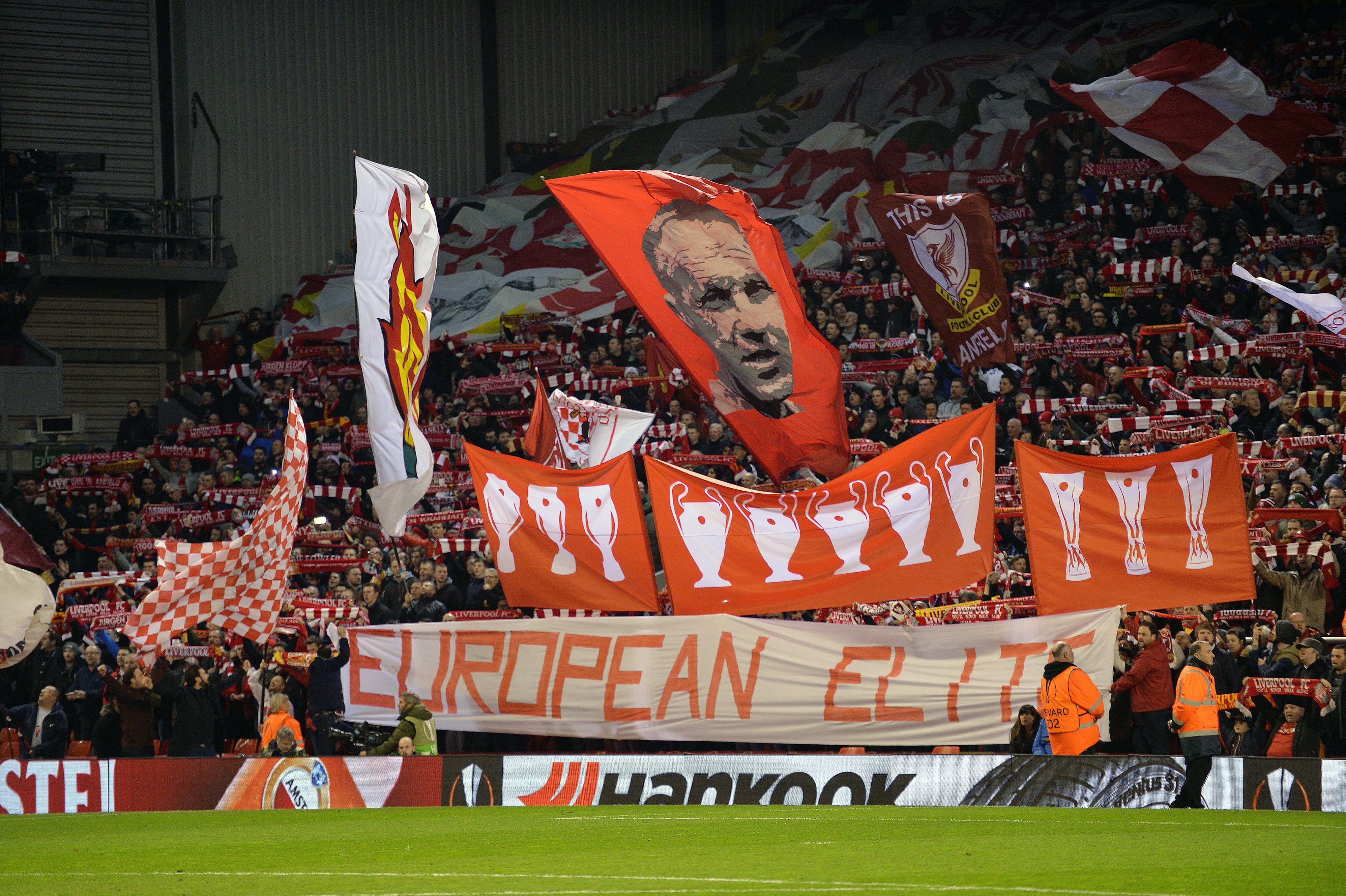
Taken together, Arne Slot’s comments on trophies, his tactical inflexibility, the team’s alarming run of results and his handling of young players paint a picture of a coach out of sync with the club he leads. Liverpool are not a laboratory for long‑term theories about “nicest football”; they are a club that measure eras in trophies, parades and banners on the Kop.
At a time when rivals are relentless, a manager who openly downplays trophies while overseeing a sharp decline simply does not meet the standard. The job at Liverpool demands an obsession with winning, a willingness to adapt and a protective instinct towards the squad, especially its emerging talents.
Slot’s recent behaviour and public statements raise the uncomfortable but unavoidable conclusion: for a club of this stature, this outlook is not just underwhelming, it is disqualifying, and the Reds need to act now!