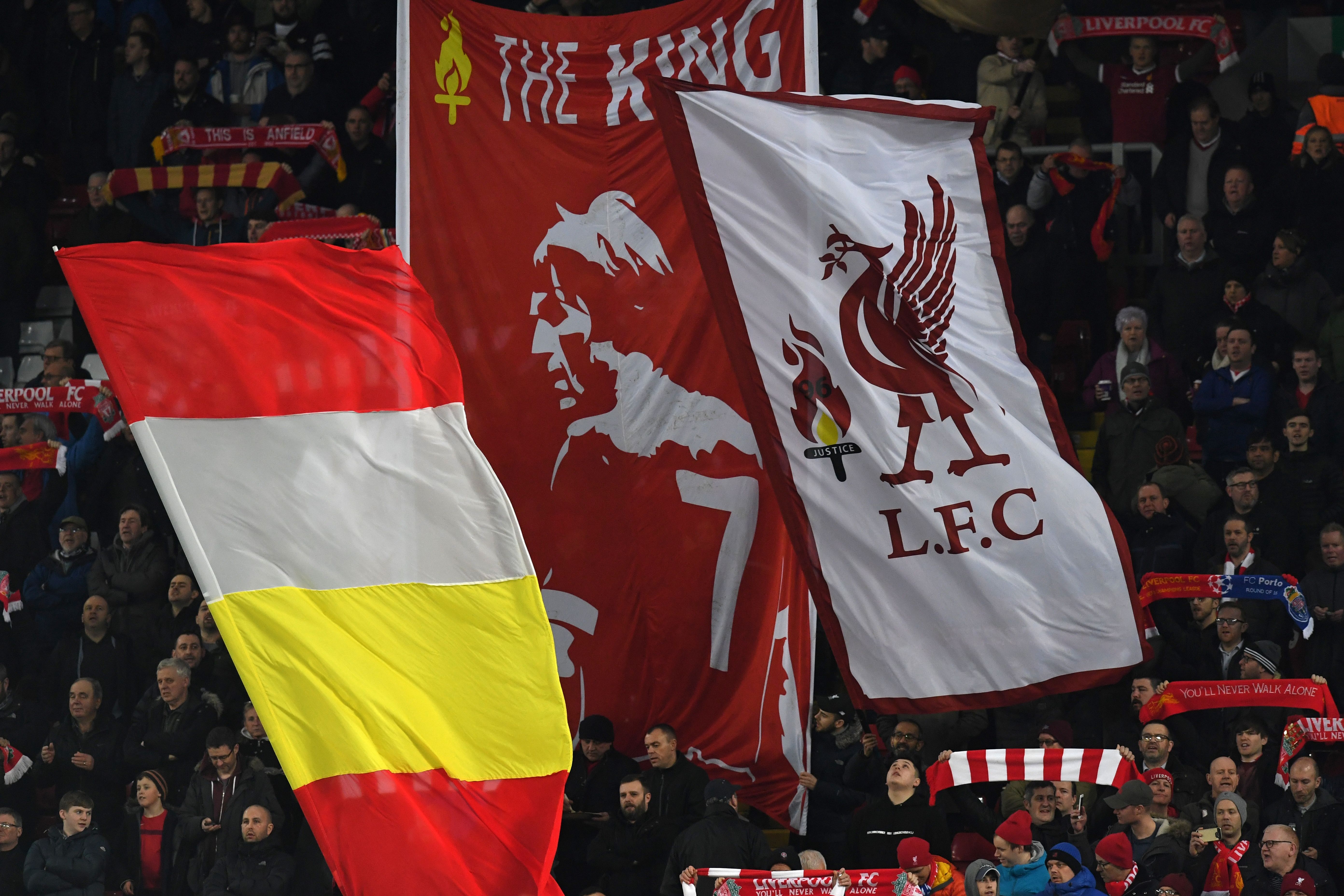
Liverpool’s electric start to the 2025/26 campaign, seven consecutive wins in all competitions, ignited belief among fans that another title charge was on the horizon.
Yet, in a matter of days, the narrative has shifted starkly. Back-to-back defeats against Crystal Palace in the league and Galatasaray in Europe have brutally exposed the flaws lurking beneath Liverpool’s early-season euphoria.
Rather than a bump in the road, the loss to Crystal Palace serves as a much-needed reality check for both the team and manager Arne Slot, laying bare the troubling trends that preceded it. The Hard Tackle looks closer at what has transpired and what it means for the Reds.
Liverpool’s Winning Run Built on Shaky Foundations
Liverpool’s flawless run at the start of the season looked impressive on paper, but closer analysis reveals a side teetering on the edge throughout those matches. Five of their first seven wins required late goals after lacklustre displays. Rather than controlling games, Liverpool often found themselves needing to rescue results, either via the brilliance of individual players or moments of chaos in the opposition box.
According to Opta stats, Liverpool averaged just 1.8 expected goals (xG) per game during this period, markedly down from their 2.4 xG average in the last title-winning season. Defensively, they faced 11 shots per match on average, numbers more associated with mid-table outfits than title contenders.
This reliance on late drama highlighted the unsustainability of their approach, and ultimately, luck ran out. The defeats to Crystal Palace and Galatasaray were not statistical anomalies, but rather the overdue outcome of issues repeatedly swept under the rug.
Problems in Attack: Creativity and Width Drying Up
A significant concern has been the sharp decline in attacking cohesion. Despite investing heavily in forwards over the summer, Liverpool’s creativity numbers are concerning. Their key passes per game have dropped to just 9.3, the lowest for the club since 2015, and well below the 12-plus they routinely registered during their most dominant periods.
The absence of genuine width is another issue; Liverpool are one-dimensional going forward, relying excessively on Mohamed Salah, who is now being smothered by multiple markers. Summer signings expected to add flair, most notably Milos Kerkez, have yet to adapt to the rhythm of the Premier League.
While the transfer window business suggested a bold attacking era ahead, the reality is that the new squad is yet to gel, and the lack of understanding among forwards is glaring.
The Salah Conundrum
For much of the past five years, Liverpool’s Plan A, B, and C in attack has been to get the ball to Mohamed Salah in dangerous positions and let his magic do the rest. This season, that magic has lost its spark.
The veteran attacker goal involvement rate is down to 0.55 per 90 minutes from last season’s 0.92, and he is attempting fewer shots per game (2.1, compared to 3.3 last year). Opponents have adapted by doubling up on him, confident that Liverpool’s other forwards pose less threat.
The broader issue, however, is structural: the team’s limp creativity and static build-up are starving Salah of quality opportunities. Rather than underperformance from the Egyptian international, it is the system’s failure to maximise its most dangerous weapon.
Liverpool’s Midfield: Disjointed and Over-reliant on Ryan Gravenberch
Midfield remains the heartbeat of any successful Liverpool side, but right now it is palpably out of sync. Arne Slot’s tactical shift away from the trusted 4-3-3 has left the midfield three disconnected, unsure of their rotations and spatial responsibilities.
There is a growing over-reliance on Ryan Gravenberch, who is averaging the most touches and forward passes but is being asked to do too much, cover ground, win duels, and drive the attack. Alexis Mac Allister, brilliant last season, is a shadow of himself after a difficult summer, managing just 71 per cent pass accuracy in the last two matches and failing to influence play from deep.
Unsurprisingly, the midfield offers little protection to the back line and rarely dictates the tempo. Liverpool have just 48 per cent possession on average in their last three outings, a figure that would have been unthinkable in the Klopp or early Slot era.
Liverpool’s Defence: Errors and Uncertainty
Defensive woes are compounding Liverpool’s problems. Centre-back Ibrahima Konate, central to the club’s resurgence last spring, has been error-strewn and unreliable, directly involved in three of the goals conceded in the last two games. His passing accuracy has dipped, and lapses in concentration have offered opponents golden chances.
New signing Milos Kerkez, recruited for composure and ball-playing ability after his exploits for Bournemouth, is struggling with the intensity and physicality this term. Meanwhile, the switch at right-back, with Jeremie Frimpong replacing Trent Alexander-Arnold, has had mixed results. While Frimpong brings attacking energy, his defensive output is shaky, and he has failed to cement a regular starting spot due to tactical uncertainty and questionable positional awareness.
The upshot is a leaky defensive unit: Liverpool have allowed an average of 2.2 big chances per game so far this season, an alarming rise from the 1.1 average last year.
Arne Slot’s Tactical Gamble Backfiring?
Manager Arne Slot’s decision to move away from the 4-3-3 system, which powered Liverpool to their recent Premier League title, is under the microscope. This tactical shift was intended to refresh the squad and accommodate new personnel, but it has resulted in confusion.
Players used to operating in well-defined roles are struggling to adapt. Spaces between lines go unguarded, and pressing triggers are mistimed, leaving the team split in transition. The lack of width, combined with a non-existent midfield press, has left Liverpool vulnerable to quick counters, both Crystal Palace and Galatasaray exploited these flaws ruthlessly.
The Dutch tactician now faces a genuine dilemma: stick with a new system and hope it finally clicks, or revert to what worked so well in the past.
Statistical Comparison: Early Wins vs Recent Defeats
| Metric | First 7 Matches | Last 2 Matches |
|---|---|---|
| Points per game | 3.0 | 0.0 |
| xG Created | 1.8 | 1.1 |
| Key Passes | 10.2 | 6.5 |
| Goals Conceded | 0.7 | 2.0 |
| Shots Faced | 9.8 | 14.0 |
| Possession (%) | 54 | 45 |
Deeper Issues: Squad Chemistry and Recruitment
One explanation for the current malaise is the sheer volume of summer changes. Integrating so many new signings at once has disrupted the established chemistry that was a hallmark of Liverpool sides under Jurgen Klopp and, briefly, under early Arne Slot management.
Players are still learning each other’s movements, and the lack of time to build relationships is evident in both attack and defence. Recruitment has been bold, but it has also led to uncertainty in selection and a lack of consistency in performance.
A Crucial Fork in the Road
The defeat to Crystal Palace, therefore, is more than a blip; it is a vital wake-up call. If Liverpool had continued scraping out results, the mounting cracks could have widened into a mid-season collapse.
Now, the challenge is clear and urgent: Arne Slot and his coaching staff must identify their strongest XI, settle on an effective structure, likely a return to 4-3-3, and simplify the team’s play so key players can rediscover their best form. The midfield needs balance, the defence craves leadership, and the attack demands creativity and ruthlessness, not just industry or bustle.
What Next for Liverpool?
Liverpool’s November fixture list will test their resilience and reveal whether this reality check sparks the necessary evolution. Arne Slot has proven himself capable of tactical flexibility before, but the stakes are huge.
The next few weeks offer no easy matches and even less margin for error; fans and pundits alike will be watching to see whether Liverpool respond with clarity and conviction, or whether their promising start to the season fades into another story of potential unfulfilled.
One thing is certain: the Crystal Palace defeat was a necessary shock to the system. Whether it is a tactical issue, personnel confusion, or simply the perils of transition, Liverpool must face the truth of their situation. The time for papering over cracks is over; only genuine, systemic solutions will suffice if Liverpool are to challenge for major honours this season.