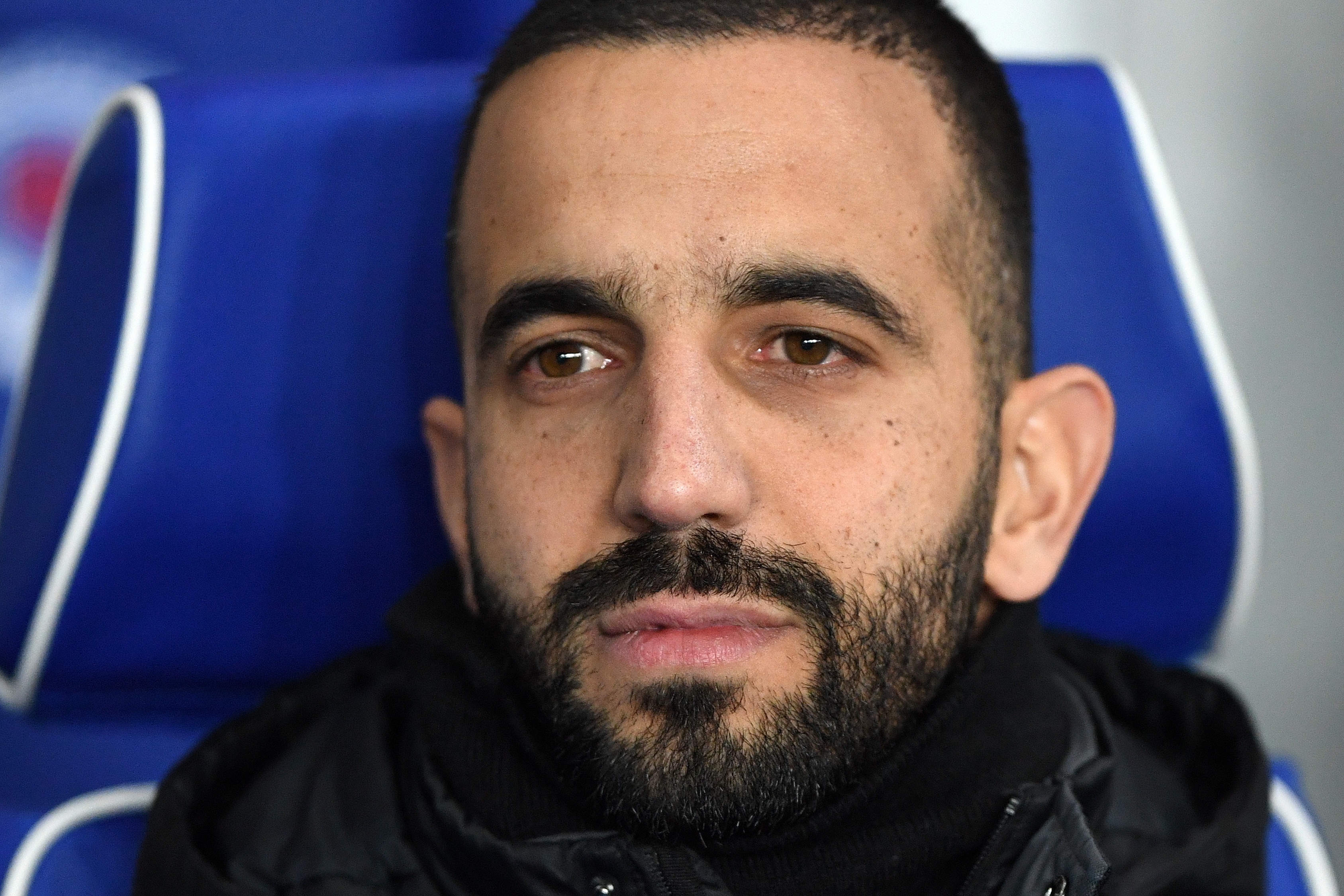
Manchester United should not sack Ruben Amorim just yet, even if results have been underwhelming.
Manchester United should keep hold of Ruben Amorim despite the mounting speculation surrounidng him, as there are signs the team is heading in the right direction and changing managers again will only add to the instability and chaos.
Speculation is mounting that Manchester United could part ways with manager Ruben Amorim, following a string of disappointing matches and mounting pressure from fans and pundits. Since the departure of Sir Alex Ferguson, the club has struggled to find stability and consistent success with a growing list of managers at the helm.
As calls for change grow louder and the media links Manchester United with interested managers like Andoni Iraola, the facts behind Amorim’s tenure and the club’s underlying performance data warrant closer examination to understand what the future should hold.
Sir Alex Ferguson’s Shadow and Aftermath
The story really starts in May 2013, when Sir Alex Ferguson, a giant in football management, bid farewell to Old Trafford, leaving behind a legacy dripping in silverware and a team with sky-high expectations. Since then, the iconic red seat has been a hot potato passed from manager to manager, with each one hoping—and failing—to fill his shoes for good.
There was David Moyes, who lasted just ten months; his reign ended with a finish outside the top four and little to show for his tenure, apart from the Community Shield. Following Moyes, Louis van Gaal brought more tactical discipline and an FA Cup but failed to gain widespread support due to his cautious style.
Jose Mourinho arrived next, mixing in trophies and fiery controversies but ultimately was unable to restore Old Trafford to its former dominance. Ole Gunnar Solskjaer inspired fleeting hope with his connection to the club’s history but could not deliver silverware. Erik ten Hag showed promise by winning the elusive trophies but could not produce consistency, further adding to the revolving door saga.
The Ruben Amorim Era at Manchester United: Records, Reality, and Revelations
Since taking over in November 2024, Ruben Amorim’s tenure has been a rollercoaster marked by heavy criticism and poor results. His record speaks volumes: just 34 points from 33 Premier League games, the lowest points tally for a Manchester United manager in the post-Ferguson era, with a win rate hovering around 27.3 per cent.
The team has suffered humiliating defeats, including a shock EFL Cup exit against fourth-tier Grimsby Town this term and a disappointing finish outside European qualification in the Premier League last season. A recurring theme throughout Amorim’s spell has been inconsistency.
Manchester United have failed to string together two consecutive Premier League wins, often slipping into precarious positions near the relegation zone. While his candid acknowledgments of the team’s struggles show self-awareness, fans and pundits alike are growing impatient with the lack of tangible progress.
The Portuguese coach himself admitted, “We are probably the worst team in the history of Manchester United,” and he has not shied away from taking responsibility for the club’s woes under his tutelage.
However, the depth of his commitment to his philosophy, despite mounting pressure, is notable. Amorim continues to insist on the system he believes in, even when results demand change. This stubbornness has defined his time at Old Trafford, for better or worse, and it underscores the larger debate about patience versus pragmatism at a club desperate for success.
A Tactical Tightrope: Amorim’s Formation and a Double-Edged Sword
One of the biggest talking points regarding Ruben Amorim’s management is his unwavering dedication to a 3-4-2-1 formation. This tactical rigidity is both a strength and a weakness. On the plus side, this consistency offers the team a clear identity, something absent during recent managerial changes marked by frequent system switches and tactical experiments. Previous managers often wavered, leading to confusion and lacklustre performances, whereas Amorim’s approach at least provides a reliable structure.
Moreover, his steadfastness allows for player development within a stable system, which can pay dividends over time. Long-term strategic planning and recruiting can be aligned to a specific style, reducing the chaos of adapting to new ideas every season. Stability in approach can help younger players flourish and promote tactical discipline throughout the squad.
One of the most practical illustrations of Ruben Amorim’s tactical rigidity lies in how he uses key players, often fitting them strictly into roles dictated by the 3-4-2-1 formation. Take Marcus Rashford, for example. Under Ruben Amorim’s system, Rashford would almost always have been deployed as one of the two attacking midfielders tasked with linking play between the midfield and striker.
While Rashford’s pace and dribbling prowess would have made him a natural fit here, the fixed formation limited his versatility, restricting him from playing as a central forward or wider roles where he could exploit different defensive weaknesses. Similarly, Casemiro, a player renowned for his positional intelligence and ability to marshal midfield with a bit of freedom, finds himself constrained to a strict holding midfield role.
This inflexibility can sometimes stifle his influence over the game when tactical adjustments are needed during difficult moments. On the defensive side, Lisandro Martinez thrives within the back three, yet opponents started to isolate him in 1v1 situations when he was available because the system rarely adapts to provide extra cover or switch to a more conventional four-man defense when under sustained pressure.
These player-specific examples highlight both the tactical coherence and the inherent limitations of Amorim’s unwavering commitment to his formation. On the downside, the lack of flexibility has hurt Manchester United at crucial moments.
When chasing games, the rigid formation sometimes makes the side predictable and vulnerable to opposition adjustments. It limits in-game tactical tweaks that could turn matches around. Opponents often exploit this by sitting deeper or pressing in ways that stifle United’s attacking rhythm. Fans and analysts argue that in a league as dynamic as the Premier League, adaptability is just as vital as consistency.
The critical balance between sticking to a philosophy and knowing when to bend is a challenge Amorim faces. While his dedication is commendable, the question remains whether he can unlock the tactical creativity needed to win tight games and handle the unpredictability of elite competition. However, that is not to say Amorim does not deserve patience.
Beyond Last Season: Why Patience Matters Now
Despite a dreadful 2024/25 campaign, where Manchester United finished in the bottom half of the Premier League and suffered heavy defeats, judging Ruben Amorim solely on last season would be unfair. Transitions at big clubs require time, especially when inheriting a squad low on confidence and lacking cohesion.
Football history is littered with managers who faced rough starts only to build successful squads after periods of turbulence. At Manchester United, the example is none bigger than the legendary Sir Alex Ferguson.
Amorim’s task was made harder by the weight of expectation and the fractured dressing room left from years of instability. Comparing his first season directly with previous managers ignores the broader context of rebuilding a broken club culture. The high-pressure environment at Old Trafford leaves little room for patience, but the alternative—yet another managerial replacement—could push the club further into limbo.
Giving the Portuguese coach time to find his rhythm, bring in players suited to not just to his style but Manchester United’s vision for the long run, and implement his vision is a more sensible approach than knee-jerk reactions triggered by last season’s results alone. History teaches that rushed decisions rarely restore greatness.
Reading Between the Lines: Manchester United’s Promising Underlying Stats under Ruben Amorim
While results have been erratic, Manchester United’s underlying data tells a more promising story. Metrics like expected goals (xG), post-shot xG (PSxG), and expected points (xPts) from reliable sources such as Squawka, Understat, and Opta indicate that Manchester United create quality chances and are not as poor as the scorelines suggest.
The team has been generating competitive attacking statistics, often ranking among the top of the Premier League for key attacking metrics. Despite the heavy 3-1 defeat to Brentford, Manchester United sit fourth in the xPts table in the Premier League.
For instance, recent xG difference figures show a subtle improvement trend, demonstrating better chance creation and slightly improved defensive performances compared to earlier struggles. This suggests that Manchester United are underperforming based on chance quality and luck, indicating room for improvement rather than fundamental incompetence. These numbers imply that the system Amorim is implementing has the potential to succeed if fully realized.
However, defensive fragility remains a critical issue. Conceding 53 goals in 33 matches is a glaring problem, and opponents continue to enjoy too many high-quality scoring opportunities. Without addressing these weaknesses, Manchester United will struggle to convert their attacking potential into wins. Still, the presence of positive underlying metrics gives fans and the club something to hold onto amid the rough results.
The Fans and the Press: Navigating the Storm of Opinion
Fan sentiment at Manchester United has been deeply divided but undeniably intense throughout Ruben Amorim’s tenure. The scars left by years of managerial turnover feed into a volatile mix of hope and frustration among supporters. Social media platforms have become battlegrounds where fans passionately debate the merits and faults of Amorim’s approach; some rally behind the notion that patience will deliver rewards, while others clamour for immediate change.
Media outlets mirror this polarisation; headlines swing between doom-laden warnings that Amorim is on “thin ice” and more measured voices advocating for steadiness, analyzing the club’s deeper problems rather than blaming the manager alone.
This split atmosphere reflects a fanbase still yearning for stability but deeply frustrated by repeated cycles of underperformance and tactical stubbornness. For many, Amorim represents a precarious crossroads; holding him accountable is balanced against the fear that a managerial change would only deepen the club’s ongoing crisis. This layered fan and media response contributes to the pressure cooker environment surrounding Old Trafford, where every match and tactical decision is scrutinized under a global microscope.
Culture and Discipline: Ruben Amorim’s Quest to Rebuild Manchester United’s Soul
Beyond tactics and results, Ruben Amorim is heavily focused on changing the club’s culture and restoring discipline at Manchester United. From the moment he arrived, Amorim emphasised that success begins with small but vital details: how players prepare, what they eat, how they behave both on and off the pitch. The Portuguese manager has been a stickler for high standards, making it clear that 100 per cent effort is non-negotiable and there is no place for complacency in the squad.
The changes are subtle but meaningful, a more organised training environment, revamped nutrition and recovery routines, and stricter behavioral expectations. Even the way players interact at meals has transformed; where previously they ate and left quickly, now they stay longer to foster camaraderie and team unity.
Amorim has also cultivated a leadership group within the squad to help enforce these standards, handing responsibility to senior players to set the right example and atmosphere. This focus on culture shift is part of his broader vision to create a strong, united team that buys into a common goal and identity, a necessary foundation before any sustainable success can follow.
This cultural overhaul has not always been evident in results, but it signals a deeper process at work beneath the surface. For a club that has endured years of instability, Amorim’s commitment to discipline and high standards offers a vital step toward restoring Manchester United’s proud traditions and winning mentality.
Standing Firm: The Case for Trusting Ruben Amorim’s Vision
In conclusion, blood pressure might be soaring, but Manchester United should hold on to Ruben Amorim and his vision. The club has suffered through a decade of managerial upheaval, tactical confusion, and underachievement since Sir Alex Ferguson’s retirement. Amorim’s first season was far from ideal, but his commitment to a clear tactical identity and the encouraging underlying numbers point to a foundation that could finally break the cycle of instability.
Sacking him now would be a hasty misstep, condemning the club to yet more turmoil and likely deterring future managerial candidates wary of Old Trafford’s reputation. Change is tempting when results are poor, but true progress demands patience, a clear plan, and belief in the process. Amorim may well be the man to steady the ship if given the time and support to address the challenges ahead.
Ultimately, the big question is whether Manchester United’s board and fans have the courage to resist the urge for instant fixes. If they do, a new chapter with Amorim’s leadership might yet chart a brighter future for one of football’s most storied clubs.