
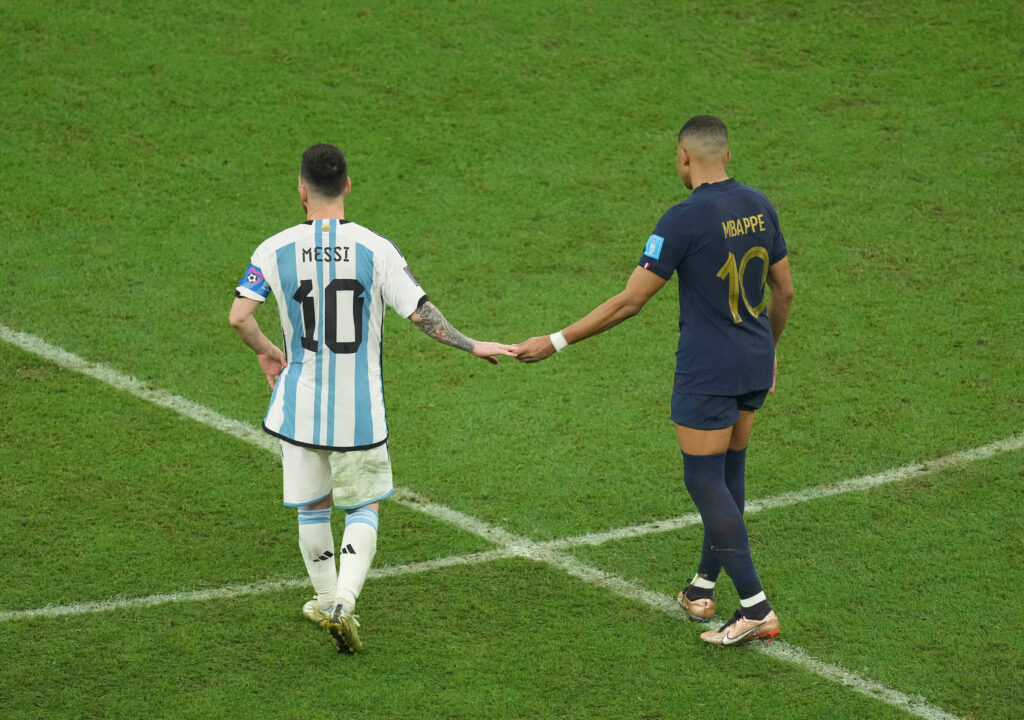
When FIFA awards the Golden Ball at the World Cup, the decision is rarely free from debate.
The Golden Ball is designed to recognise the best individual performer at the tournament, but judging greatness in a team sport is never straightforward. Goals, assists, leadership, tactical influence and moments under pressure all play a role in deciding who deserves the ultimate individual honour.
In 2026, Spain midfielder Rodri lifted the Golden Ball after playing a crucial role in La Roja’s successful campaign. The Manchester City star controlled matches from midfield, dictated the tempo and provided the defensive balance that allowed Spain’s attacking players to flourish. His performances helped Spain win their second World Cup title, and FIFA highlighted his influence across eight matches as the reason behind his award.
However, as with every major tournament, there were other players who produced extraordinary performances and could have made a strong case for the award. Here are three alternative Golden Ball winners who could have challenged Rodri.
Kylian Mbappe

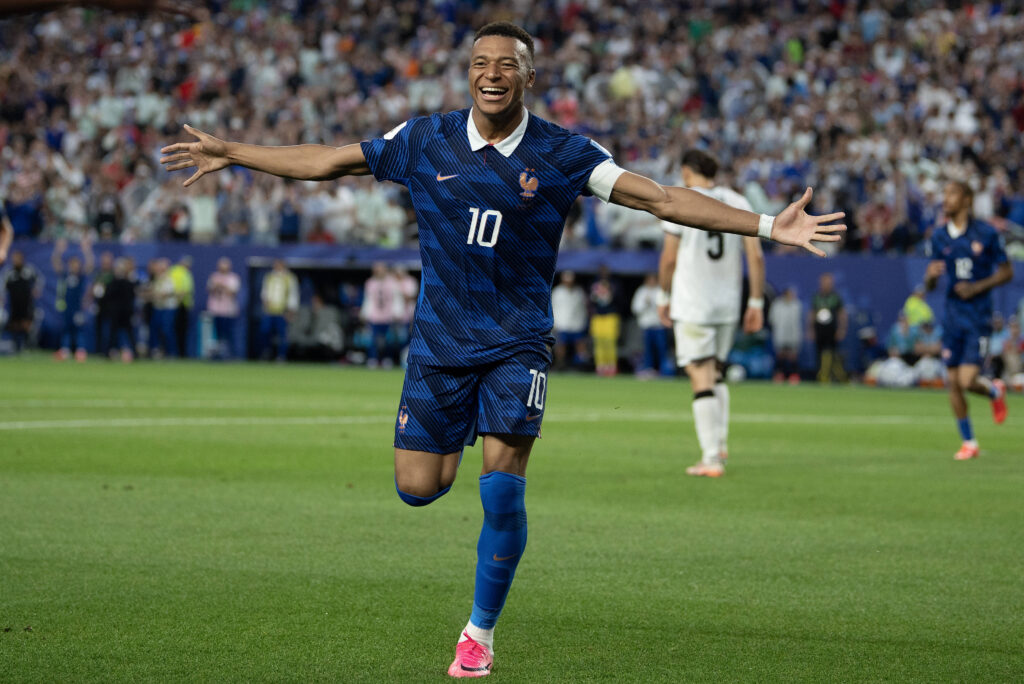
If there was one player who came closest to challenging Rodri, it was arguably Kylian Mbappe. The French superstar once again proved that he thrives on the biggest stage. Despite France falling short of reaching another World Cup final, Mbappe delivered numbers that were impossible to ignore.
The 27-year-old scored 10 goals in eight matches, winning the Golden Boot and becoming one of the most dominant attacking forces in World Cup history. The argument for Mbappe winning the Golden Ball was simple: no player had a greater direct impact on the scoreboard.
France relied heavily on his individual brilliance throughout the tournament. Whether it was creating chances from nothing, beating defenders one-on-one or producing moments of quality under pressure, Mbappe repeatedly carried the responsibility of being France’s main attacking outlet.
His performances in knockout matches strengthened his case. While other players benefited from stronger team structures, Mbappe often had to produce moments of magic to keep France competitive. The only factor working against him was France’s final position.
Historically, Golden Ball winners often come from the champions or teams that reach the final. Since France did not lift the trophy, voters may have preferred a player whose influence was directly connected to winning the tournament.
Still, a player scoring 10 goals at a World Cup creates a powerful argument. If attacking dominance is the main criteria, Mbappe had perhaps the strongest claim of all.
Lionel Messi

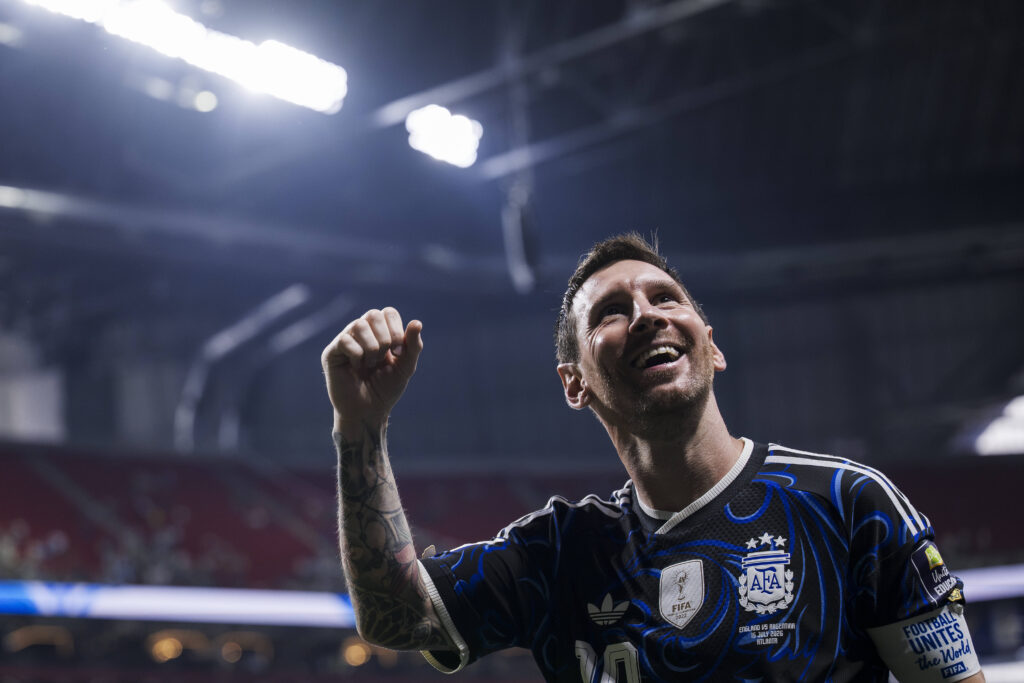
Another player who could have been considered for the Golden Ball at the 2026 FIFA World Cup was Lionel Messi. The Argentine captain entered the tournament knowing that this could potentially be his final World Cup, and despite his advancing years, he remained one of the most influential players in the competition.
Messi’s value went beyond goals. He continued to act as Argentina’s creative heartbeat, controlling attacks, creating opportunities and providing leadership during difficult moments. He finished among the tournament’s leading performers and won the Silver Ball behind Rodri. The argument for Messi was based around influence rather than statistics alone.
Argentina’s attacking system revolved around his ability to find spaces between the lines, bring teammates into the game and produce decisive passes. Even when he was not scoring, his presence changed how opponents defended.
There was also the emotional element. World Cups have often rewarded players who create unforgettable narratives, and Messi’s 2022 triumph showed that voters appreciate legendary figures delivering on the biggest stage.
However, compared with Rodri, Messi’s biggest disadvantage was that Argentina did not retain the trophy. While he remained exceptional, Spain’s midfielder was the player who lifted the trophy after controlling games throughout the tournament.
A Messi Golden Ball would not have been controversial, but Rodri’s consistency across every match gave him a stronger overall case.
Jude Bellingham
Jude Bellingham’s performances for England at the 2026 FIFA World Cup also deserve recognition. The Real Madrid midfielder entered the tournament carrying enormous expectations, and he responded by showing why he is considered one of the best young players in world football.
Bellingham’s greatest strength was his ability to influence every area of the pitch. He could contribute defensively, progress the ball, create chances and arrive in dangerous positions. Few midfielders combined physical ability, technical quality and attacking threat as effectively as him.
For England, Bellingham was more than just another midfielder. He was the player who connected defence and attack, provided leadership and often looked like the team’s most dangerous creative option.
His supporters could argue that his impact was similar to Rodri’s because both players controlled matches from midfield. The difference was their styles. Rodri dominated through positioning, passing and defensive intelligence, while Bellingham influenced games through energy, ball carrying and attacking contributions.
Although England did not reach the final, Bellingham’s performances throughout the tournament kept him in the conversation. FIFA recognised his contribution with the Bronze Boot, underlining his importance during the competition.
However, the Golden Ball usually rewards the player who leaves the biggest mark on the entire tournament, and Bellingham’s campaign ultimately lacked the defining moment that could have pushed him ahead.
Final verdict: Was Rodri the right winner?
Rodri’s Golden Ball victory was not simply a reward for Spain winning the 2026 FIFA World Cup. It was recognition of a role that is often overlooked. Midfielders who control matches rarely receive the same attention as goalscorers, but Rodri demonstrated how valuable that influence can be.
Mbappe had the numbers, Messi had the legacy and Bellingham had the all-around impact. All three could have made a legitimate case. But Rodri represented something different. He was the foundation of Spain’s success. He controlled possession, protected the defence and ensured Spain could play football on their terms.
The Golden Ball debate will continue because football is subjective. Some will always favour goals, others will value control and leadership. That is what makes the award so fascinating. Rodri may have won the prize, but the 2026 World Cup showcased several players who could have walked away with the trophy and still been considered worthy winners.