
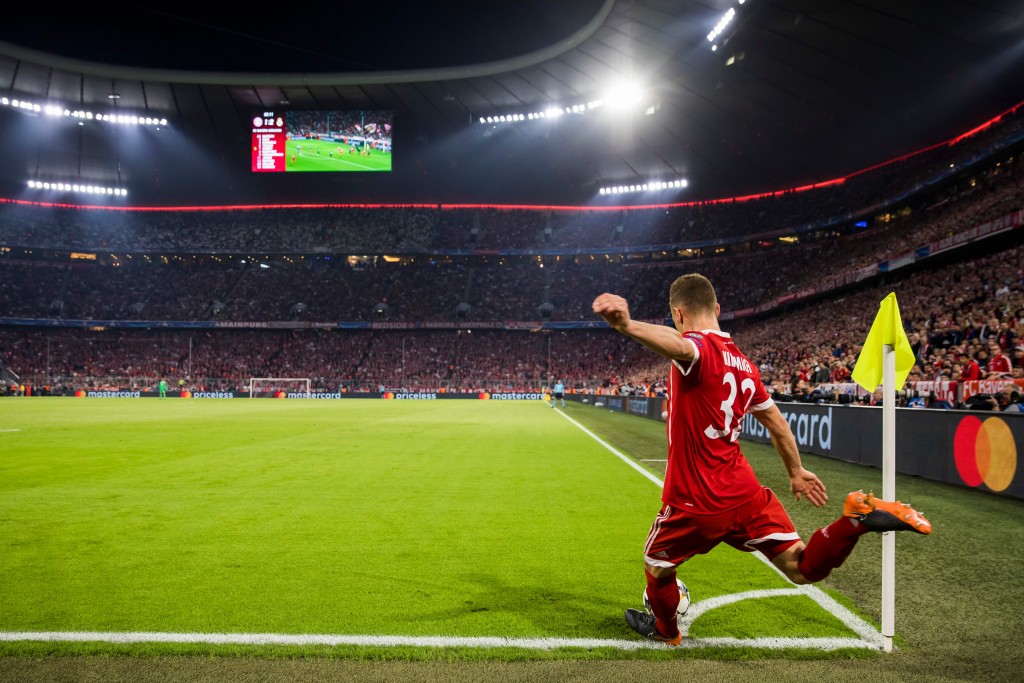
When the 2026 FIFA World Cup unfolds, the quiet heroes may not wear stars on their chests but run the flanks like storms, the full-backs who attack, defend, and decide.
The modern full-back is no longer a spare part tucked away on the edge of the pitch. He is often the player who gives a team its width, its balance, its tempo and, in many cases, its courage. When coaches want to stretch a defensive block, beat a press or recover shape after losing the ball, they usually look towards the flanks.
That is why the best sides in world football now demand far more from their right-backs and left-backs than simple defending. They must overlap like wingers, pass like midfielders and defend one-against-one duels like specialist stoppers.
At club level and on the international stage, the role has become one of the clearest markers of a team’s identity. Some managers want their full-backs high and aggressive, almost as auxiliary forwards. Others prefer them to move inside and help control the midfield. The very best can do both without making the side vulnerable. That blend of adventure and discipline is what separates the good from the elite.
So, as the 2026 FIFA World Cup unfolds, it is no surprise that several of the most intriguing players are operating in these wide defensive roles. Yet all five carry the same promise: if their teams are to go deep into the tournament, the route may well begin from full-back.
Achraf Hakimi
If there is one full-back who already looks made for the grandest stage, it is Achraf Hakimi. Morocco’s right-back plays with the sort of authority that lifts an entire flank, and that matters greatly for a side that often thrives on structure, conviction and sharp transitions.
Hakimi gives Morocco an attacking outlet without turning them reckless. He can drive into open grass, combine quickly in tighter spaces and arrive in advanced zones with the timing of a seasoned winger. That makes him a constant problem because opponents are forced to choose between tracking his runs and protecting central areas.
Tactically, his value lies in the range of his influence. He can hold the width to stretch the pitch, underlap into half-spaces when Morocco needs another runner and carry the ball upfield when the team need relief under pressure. The key point is that his attacking instincts do not come at the cost of intelligence. Hakimi knows when to surge and when to stay. He understands the rhythm of a game, and that is often what turns an attacking full-back into a truly great one.
Defensively, he brings far more than raw speed. His recovery runs are often decisive, but the stronger part of his game is anticipation. The 27-year-old reads danger early, closes gaps quickly and rarely looks intimidated by direct duels.
For Morocco, that is vital, because their best tournament football has usually been built on compactness and emotional control. Hakimi gives them both a release valve and a reliable guardian on the right side. If the Atlas Lions are to create another memorable World Cup story, he will almost certainly be at the heart of it.
Nuno Mendes
On the opposite flank of this conversation stands Nuno Mendes, a player who can make football look simple because his physical gifts are so natural. Portugal have plenty of stars, plenty of goals, and plenty of attacking craft, but Mendes adds something slightly different. He adds force.
The youngster can turn a calm possession spell into a sudden assault simply by accelerating beyond the man in front of him. His running power changes the geometry of a game, and that alone makes him one of Portugal’s most dangerous weapons.
Roberto Martínez is Portugal’s head coach heading into the 2026 World Cup, with his deal running until after the tournament. So, the structure around Mendes is still shaped by the same coaching ideas. Under that setup, the 23-year-old has the chance to become more than a supporting runner.
He can be the player who widens Portugal’s attack, pins back the opposing right side and gives their forwards cleaner spaces in central areas. When the Selecao dominate territory, his overlaps can turn pressure into a genuine threat.
Yet the more important part of Mendes’s World Cup may come without the ball. Portugal are too talented to fear many teams, but even the strongest sides can be hurt on the counter-attack.
That is where Mendes becomes essential. He has the pace to recover, the frame to compete physically and the aggression to stop transitions before they become crises. For Portugal, the ideal version of the tournament is one in which the PSG full-back gives them extra thrust going forward while still protecting them from the chaos that can ruin favourites.
Reece James
Reece James enters this World Cup as one of the most complete right-backs in the game when fully fit. That caveat has followed him for too long, which is why this tournament feels significant. It is not simply about reputation now; it is about ownership of a role. James has the tools to dominate it.
The Chelsea captain is strong in duels, calm in possession and gifted enough on the ball to play almost anywhere on the right side, or even step into midfield when the shape demands it.
Thomas Tuchel began his spell as England head coach in January 2025, and his presence gives added intrigue to James’s role because the two men know each other’s football so well from their time together at Chelsea.
That familiarity could be crucial. James understands the tactical detail Tuchel likes from wide players, especially the balance between defensive caution and calculated aggression. In tournament football, where matches can turn on one decision rather than ten, that kind of understanding matters.
What the 26-year-old offers England is variety. He can stay deep and secure the flank if the match is tense. He can advance and deliver early crosses if England needs more thrust. He can drift infield and help progression when midfield spaces are congested. Few full-backs can shift between those duties without their performance looking disjointed. James can, and that flexibility is exactly why he may become one of England’s quiet pillars in the competition.
There is also a sharper edge to his game than people sometimes acknowledge. James strikes the ball cleanly, carries a threat from set-pieces and has the technique to produce decisive moments in the final third. England do not just need famous names; they need players who solve problems.
Against deep blocks, he can be a source of quality delivery. Against stronger opponents, he can be a stopper. Against physically demanding sides, he can match intensity without losing technical control. That is why this could be the tournament in which James stops being viewed as merely an option and starts being seen as England’s long-term answer.
Joshua Kimmich
Joshua Kimmich remains one of the most fascinating full-backs in the tournament because he plays the role with a midfielder’s mind. He may still be seen by many as a central player by trade, but that is precisely what makes him so valuable on the right. When he starts at full-back, Germany do not simply gain width; they gain another organiser. He reads spaces quickly, passes with clarity and rarely wastes possession. In a major tournament, those traits can shape an entire side’s composure.
Julian Nagelsmann extended his Germany contract beyond the 2026 World Cup, which matters here because Kimmich’s understanding of the coach’s demands gives Die Mannschaft a tactical advantage in a short competition. He knows when to step inside, when to circulate the ball with patience and when to quicken the play. That connection can turn Germany’s right side into a launchpad for attacks rather than a mere channel of support.
The most interesting part of Kimmich’s game at full-back is that he does not need explosive dribbling to influence matches. He changes them with angles, tempo and decisions. He can switch play early, feed runners between the lines and move into positions that improve Germany’s structure during build-up.
Defensively, the 31-year-old is not the archetypal all-action sprinter, but he compensates with timing and awareness. In tournament football, intelligence often travels further than noise, and Kimmich has more than enough of it to be a game-changer from the right.
Marc Cucurella
Marc Cucurella may not be the most glamorous left-back in this group, but he could prove one of the most important for his national side. Spain have plenty of footballers who can decorate a match, but every tournament-winning team also needs players who make the structure hold together.
Cucurella often does exactly that. He is energetic, intense and willing to do the unshowy work that allows Spain’s more creative attackers to keep playing on the front foot. His rise under Luis de la Fuente has not been built purely on flair. It has come from trust. La Roja know what they get from him: relentless pressing, defensive alertness and a willingness to engage early in duels.
While others may offer more polish in the final third, Cucurella brings security, and security is precious in knockout football. Coaches remember attacking highlights, but they select defenders based on reliability. That is why the Chelsea defender has become such an important piece for Spain.
What he offers in possession should not be ignored either. Cucurella keeps moves alive, supports combinations and gives Spain a steady passing option on the outside. The 27-year-old may not dominate headlines with a spectacular end product, but he helps Spain maintain territory and sustain pressure.
More importantly, when attacks break down, he is often in the right place to slow counters and restore order. That is the sort of contribution that can decide a World Cup without ever needing to shout for attention.